What Can You Cook in a Pressure Cooker?
You can cook soups, stews, beans, rice, meat, eggs, vegetables and even cheesecake in a pressure cooker. The sealed pot traps steam so food cooks faster at higher heat, which is why tough cuts turn tender and dried beans soften without soaking overnight.
On this page (9 sections)
- How does pressure cooking cook food so fast?
- What meals cook best in a pressure cooker?
- Can you cook rice and grains without watching the pot?
- What meats and proteins turn out well?
- Which vegetables and sides work in a pressure cooker?
- Can you make desserts and breakfasts in a pressure cooker?
- What should you not cook in a pressure cooker?
- Which pressure cooker fits these recipes?
- What should you cook first in a new pressure cooker?
You can cook soups, stews, beans, rice, meat, eggs, vegetables and even cheesecake in a pressure cooker. The sealed pot traps steam so food cooks at higher heat than a normal pot allows, and that is why tough cuts turn tender and dried beans soften without a long overnight soak.
The honest answer is that most everyday meals work, as long as you follow the fill line and keep some liquid in the pot. This guide walks through what cooks well, what needs care, and which appliance makes the most sense for a first pressure cooker.
How does pressure cooking cook food so fast?
Pressure cooking works by trapping steam so the boiling point rises, which lets food cook hotter than a normal open pot without drying out. Water normally boils at 212°F at sea level; under pressure it reaches closer to 250°F.
That jump of a few dozen degrees is why a beef stew that needs 2 hours on the stove can finish in about 30 minutes.
The pot is sealed, so the steam cannot escape. Heat builds until the pressure release valve holds a set level, then the food cooks in saturated steam and liquid.
Because there is little evaporation, flavors stay in the pot instead of floating away.
The sealed environment also does something a slow cooker cannot. Collagen in tough meat breaks down faster under the higher heat, so cheaper cuts like chuck or pork shoulder come out shreddable in less time.
Our explainer on how does a pressure cooker work covers the valves and safety parts in more detail.
One trade-off: you cannot peek and stir. Once the lid locks, the recipe runs to its set time.
That is why liquid amounts matter more here than on a stove.
What meals cook best in a pressure cooker?
Soups, stews, braises, beans and grains are the strongest fits, because they rely on liquid and benefit from steady, moist heat. These dishes are also where the time savings show most clearly.
- Soups and broths: chicken soup, split pea, minestrone and bone broth all build flavor fast. You can brown aromatics first on the sauté setting, then add liquid and seal.
- Stews and braises: chili, beef stew, pot roast, pork shoulder and lamb shanks all tenderize well. Brown the meat first for deeper flavor, then let pressure do the rest.
- Dried beans and lentils: no overnight soak needed in most cases. Black beans, chickpeas and kidney beans soften in roughly a third of the stove time.
- Rice and grains: white rice, brown rice, quinoa, barley and steel-cut oats all cook in the pot. The sealed lid keeps the water from boiling off.
The appliance maker Instant Pot says its Duo cooks up to 70% faster than slow cooking methods. That gap is realistic for beans and braises, less dramatic for quick vegetables.
Can you cook rice and grains without watching the pot?
Yes. Rice and grains are one of the easiest pressure cooker wins, because you set the time and walk away.
The sealed pot keeps the steam in, so the water-to-grain ratio stays stable.
White rice typically needs a short cook time plus a natural release so the grains finish steaming. Brown rice takes longer, closer to 20 minutes at pressure.
Quinoa and couscous are even faster. Steel-cut oats cook into a creamy pot without stirring or sticking to the bottom.
Use the rice setting on a multi-cooker if it has one, or the manual pressure setting with the time from a trusted recipe. Always add the liquid the recipe calls for and never go below the minimum.
Let the pressure come down naturally for grains so they do not split.
What meats and proteins turn out well?
Tough cuts improve the most under pressure. Chuck roast, brisket, pork shoulder, lamb shanks and chicken thighs all come out tender and moist.
The higher heat breaks down connective tissue that would otherwise need hours of simmering.
Whole chicken works too, though it needs enough liquid and a trivet to keep it off the base. A steamer rack like the Sugaroom trivet holds the bird above the water so it steams rather than boils.
The same rack helps lift a chicken or a cake pan out of the hot pot without burning yourself.
Fish and seafood cook very fast and are easy to overcook, so treat them as short-time foods. Eggs are a special case worth their own guide; see how to cook eggs in a pressure cooker for timing and peeling tips.
The shells often slip off easily after an ice bath.
Which vegetables and sides work in a pressure cooker?
Steaming is the best use for vegetables, because the sealed pot keeps more color and nutrients than boiling in a large pot. Sugaroom says steaming can preserve up to 30% more nutrients than other cooking methods.
Treat that as the brand's claim, but the general idea holds: less water contact means less leaching.
- Potatoes and sweet potatoes: whole or chunked, cook fast and mash well.
- Carrots, beets and winter squash: root vegetables soften quickly; check them early the first time.
- Corn on the cob: a few minutes at pressure is enough.
- Green beans and broccoli: short cook times keep them crisp; overcooking turns them dull.
Use the steamer rack so vegetables sit above the water and cook in steam. Add the water below the rack and keep the pot under its maximum fill line.
Timing runs shorter than you expect, so start checking a few minutes before the recipe says.
Can you make desserts and breakfasts in a pressure cooker?
Yes, and this surprises many new owners. Cheesecake is the classic example: the pot's moist heat bakes it gently without a water bath in the oven.
Bread pudding, custard and rice pudding also work well in a covered dish set on the trivet.
For breakfast, steel-cut oats and grits cook without stirring or scorching. You can even make yogurt in models that include a yogurt setting, using milk and a starter culture.
The Instant Pot Duo lists yogurt among its 7 cooking functions, along with rice and steam.
Desserts need a covered pan that fits inside the pot and a trivet to lift it. The Sugaroom rack handles that pot-in-pot setup.
Avoid recipes that fill the pot too high, since desserts expand as they cook.
What should you not cook in a pressure cooker?
Skip foods that foam heavily and anything that needs dry heat. Unsoaked beans cooked without a little oil can froth and clog the vent.
Never deep-fry in a pressure cooker, and never cook food directly on the base without liquid.
Other foods to handle with care:
- Creamy dairy sauces: milk can curdle under high heat; add cream or cheese after pressure release instead.
- Breaded or fried foods: the coating turns soggy in steam.
- Large solid roasts still frozen: the outside overcooks while the center stays cold.
- Pasta cooked with too little water: it clumps and turns mushy.
Always keep the pot under its maximum fill line. For soups and stews, that line is often lower than for other foods, so follow the recipe.
Which pressure cooker fits these recipes?
A 6 quart electric multi-cooker covers most of the foods above, and it is the easiest starting point for a home kitchen. Two models stand out for different reasons.
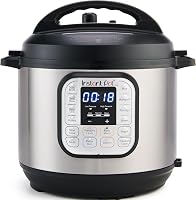
The Instant Pot Duo 6 Qt has 7 cooking functions and 13 one-touch programs. Its stainless steel 18/8 pot with a tri-ply bottom can sear and sauté right in the pot before you seal it.
The Easy-Release steam switch makes venting simple. Our pressure cooker guide compares it with other top models.
The Cosori 6 Qt Pressure Cooker adds sous vide and ferment settings to the usual pressure, rice, steam and slow cook functions. Its ceramic-coated inner pot is dishwasher safe, and the vent button sits away from the steam release for safer venting.
Pick it if easy cleanup and extra functions matter more to you.
Add the Sugaroom trivet if you plan to steam, cook a whole chicken or bake desserts in a pan. Its long handles let you lift hot food out safely.
For setup steps before your first cook, read how to use a pressure cooker step by step.
What should you cook first in a new pressure cooker?
Start with a simple soup or a batch of dried beans, because both forgive small timing errors and show you how the pot behaves. Then branch out to rice, then a braise, then a dessert once you know your release times.
The range of what you can cook in a pressure cooker is wider than most people expect, from weeknight chili to cheesecake. Pick a 6 quart electric model for the broadest recipe coverage, and add a trivet if steaming and pot-in-pot dishes are on your list.
If you want to compare models first, our pressure cooker roundup covers the trade-offs.
Frequently asked questions
Can you put frozen meat in a pressure cooker?
You can, as long as you add enough liquid and allow extra time so the center reaches a safe temperature. Large solid roasts are safer thawed first, because the outside can overcook while the middle is still cold.
Is a pressure cooker good for vegetables?
Yes. Steaming vegetables in a small amount of water keeps more color and texture than boiling them in a big pot.
Cook times are short, so check root vegetables a few minutes before the recipe suggests.
What foods should you not cook in a pressure cooker?
Skip anything that foams heavily, such as unsoaked beans cooked without oil, and avoid filling the pot past its marked maximum line. Deep-frying and cooking food directly on the base without liquid are both unsafe.