How to Take Care of a Pressure Cooker
To take care of a pressure cooker, wash the pot and lid after every use, keep the sealing ring and valves clean, and store everything dry with the lid off. Check the ring and float valve for wear, and never force a lid that won't close.
On this page (10 sections)
- How to take care of a pressure cooker after each use
- How do you clean the sealing ring and valves?
- How can you stop smells and stains building up?
- Where should you store a pressure cooker?
- How do you keep a pressure cooker safe to use?
- What should you do when the pot won't seal or open?
- Which accessories make care and cooking easier?
- How do you care for an electric model in daily use?
- What should you check before each cook?
- How do you keep a pressure cooker in good shape for years?
To take care of a pressure cooker, wash the pot and lid after every use, keep the sealing ring and valves clean, and store everything dry with the lid off. Check the ring and float valve for wear, and never force a lid that won't close.
A pressure cooker lasts for years when the rubber parts and vents stay clean. The pot itself is usually the tough part; the ring, valves and handles are what age.
How to take care of a pressure cooker after each use
Let the pot cool, then wash the inner pot, lid and removable parts in warm soapy water. Wipe the base with a damp cloth and dry everything before putting it away.
Wait until pressure is fully released and the float valve drops. Rinse the lid under warm water, but don't soak the valve assembly or dunk the whole lid in the sink.
Use a soft sponge or nylon brush. Abrasive pads can dull the stainless finish and scratch nonstick inserts, and they aren't needed for cooked-on food that has soaked for a few minutes.
Dry the pot and lid by hand rather than leaving them to air-dry in a damp rack. Water left around the ring groove and valves is what causes musty smells and sticky valves.
How do you clean the sealing ring and valves?
Remove the ring, wash it gently, and dry it fully before refitting it. Wipe the float valve and steam release valve with a damp cloth or a soft brush.
Food and grease collect in the ring groove, so lift the ring out of its channel each time. A ring that slides back in easily is a good sign it isn't stretched.
Check the steam release valve for rice grains or sauce residue. A blocked valve is a safety issue, not just a cooking problem, because trapped pressure can't escape when you need it to.
Once a month, hold the lid up to the light and look through the vent hole. Push the float valve gently with a finger to confirm it moves freely up and down.
When should you replace the sealing ring?
Replace the ring when it feels stiff, looks cracked, or the pot stops reaching pressure. Silicone and rubber harden with heat and washing over time.
A spare ring keeps you cooking when the old one fails. The Presto 09936 pack is a sealing ring with an overpressure plug for Presto cookers.
It replaces Presto parts 09904 and 50295 and forms a pressure-tight seal between the cover and the body. Work it into the cover in small sections, then open and close the lid a few times to seat it.
Check that your cooker's model number matches before ordering. If your ring is fine but the lid still leaks, look at the float valve and the rim of the pot before buying anything.
How can you stop smells and stains building up?
Wash the ring and lid after strong-smelling dishes and air-dry them fully. Airing the parts away from the pot is the simplest fix for lingering curry or garlic odors.
Baking soda paste on the ring helps lift smells. Soak the ring in warm water with a spoon of baking soda for 15 minutes, then rinse and dry it.
White marks and cloudy spots on stainless steel are usually mineral deposits from water. A little vinegar on a soft cloth removes them without scratching the finish.
For the pot's exterior, wipe splashes off before they bake on. Stains on the base don't affect cooking, but they hold smells and look untidy over time.
Where should you store a pressure cooker?
Store it dry, with the lid off or resting loosely on top so air can circulate. A closed lid traps moisture inside the pot and around the ring.
Don't pile heavy pans on the lid or wrap the cord tightly around the base. The cord and plug should stay out of the way and dry, not coiled against a damp wall.
If cupboard space is tight and the lid must go on, turn it upside down or leave it unprotected. The key is that air can still move through the pot.
Before storage, check that no food is stuck under the handles or behind the control panel. Small spills there turn sticky and hard to remove later.
How do you keep a pressure cooker safe to use?
Check the valves, ring and lid every time before you cook. A quick look takes seconds and catches most problems before pressure builds.
Run through these checks:
- The float valve moves freely and sits clean.
- The steam release valve is clear and the handle turns.
- The ring sits flat in its groove with no cracks or food stuck under it.
- The lid locks and opens smoothly with no force needed.
- The inner pot is seated fully and the heating plate is dry before you start.
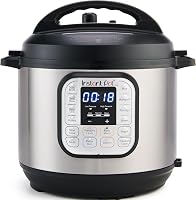
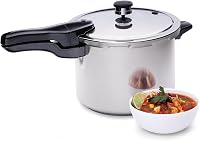
If your cooker's runner-up is a stovetop model, the same checks apply, plus a look at the vent pipe and weight. On electric models like the Instant Pot Duo 6 Qt, the easy-release switch should move freely too.
What should you do when the pot won't seal or open?
Food stuck in the valve or a worn ring is behind most sealing problems. Let the pot cool, clean both, and try again.
If the pot never comes to pressure, check the liquid amount first. Too little liquid lets the pot overheat, and too much food above the max line blocks the vent.
Why does the lid stay locked?
The lid opens only when pressure drops and the float valve falls. Give it a few minutes, then check that no steam is still escaping.
For a stovetop cooker, follow the manual's quick-release steps. Never open the lid by force or push the float valve down with a tool.
If a valve stays up after the pot has cooled, food is likely jammed in it. Soak the lid as the maker allows, then clean the valve with a soft brush.
How hot does the pot run, and does that affect care?
A pressure cooker reaches about 250°F at full pressure, which is why rings age and food sticks. High heat is normal; the care is about what it leaves behind.
Our guide to how hot a pressure cooker gets explains the temperature in more detail and why liquid matters. For a refresher on the parts, see how a pressure cooker works.
Which accessories make care and cooking easier?
A trivet and a spare ring are the two items most cooks add first. One lifts food off the bottom, and the other keeps you cooking when the seal fails.
Searing and sautéing right in the pot can leave a film on the base. A trivet keeps some foods off the hot metal entirely.
The Sugaroom steamer rack has long silicone handles and 1-inch legs that hold food above the water.
It fits 6-quart and 8-quart electric cookers and folds flat for storage. The smooth legs won't scratch a nonstick insert.
Keep the rack out of the dishwasher if the maker advises hand washing, and dry the legs fully before storing. If you cook mostly in one pot, an Instant Pot is a common place to start.
How do you care for an electric model in daily use?
Follow the maker's cleaning rules for the lid, and keep the base dry. Electric cookers add a heating element and control panel, so water in the wrong place matters.
Unplug the cooker before cleaning, and never put the base or cord in water. Wipe the inner pot rim and the heating plate, then let them dry before the next cook.
The Instant Pot Duo 6 Qt is one of the best-known electric models, with 7 cooking functions and an easy-release steam switch.
Its stainless steel insert and tri-ply bottom are built for searing, so deglaze the pot after browning. That step loosens stuck bits and stops them burning under pressure.
If you're new to the controls, read how to use a pressure cooker step by step before relying on timed programs.
What should you check before each cook?
A quick check of the ring, valves and liquid level is the best habit to build. It takes under a minute and stops most problems.
Look at the ring for cracks, stiffness or a loose fit. Check that the float valve drops freely and that the lid locks without force.
Add enough liquid for the recipe, and don't fill past the max line. Deglaze the pot after sautéing so nothing sticks and burns.
Press the steam release valve before you start to confirm it isn't jammed. On a new-to-you cooker, read the manual once so you know its own care rules.
How do you keep a pressure cooker in good shape for years?
The short answer is clean it fully, dry it fully, replace worn rubber, and store it open. Those four habits do more than any special product.
Wash after every cook, air-dry the ring and lid, and check the seal before you press start. Keep a spare ring and plug on hand, and store the pot dry with the lid off.
For the rest of the routine, revisit how to take care of pressure cooker tasks as part of your weekly kitchen wipe-down. A well-kept cooker keeps its pressure, saves time, and stays safe to use.
Frequently asked questions
Can I put the pressure cooker lid in the dishwasher?
Follow the maker's instructions for your model. Many lids with valves, sensors and handles are hand-wash only, and the sealing ring lasts longer when it's washed by hand and dried fully.
Why does my pressure cooker lid feel stuck?
The lid stays locked until pressure drops, so wait for the float valve to fall before turning it. If it still won't open, check that all steam has released and the valve isn't blocked by food.
How do I stop food from burning on the bottom?
Add enough liquid, deglaze the pot after sautéing, and avoid filling past the max line. Burnt food is the most common cause of a pot that won't come to pressure.