How Does a Pressure Cooker Work?
A pressure cooker works by trapping steam in a sealed pot, raising pressure so food cooks at a higher temperature. To understand how a pressure cooker works in your kitchen, focus on its heat source, seal, pressure controls, and release method.
On this page (10 sections)
- How does a pressure cooker build pressure?
- What do the pressure cooker parts do?
- What changes between stovetop and electric pressure cookers?
- Why does food cook faster under pressure?
- What happens when pressure is released?
- How do you set up a pressure cooker safely?
- What common mistakes stop a pressure cooker from working?
- How should you care for a pressure cooker?
- Which pressure cooker should you choose?
- How does a pressure cooker work, and which one is right for you?
A pressure cooker works by trapping steam in a sealed pot, raising pressure so food cooks at a higher temperature. If you're asking how a pressure cooker works, the key parts are the liquid, lid seal, pressure control, and safe release.
Stovetop and electric cookers use the same basic principle: liquid turns to steam, the sealed pot holds it, and pressure rises as the contents heat. They differ in how they apply heat and control pressure, which affects setup and which one suits your kitchen.
How does a pressure cooker build pressure?
A pressure cooker builds pressure when steam from heated liquid stays inside the sealed pot. As steam forms, it fills the space above the food and pushes against the cooker walls and lid.
In an open pot, steam escapes freely and boiling water stays near its usual boiling temperature for your elevation. In a sealed cooker, pressure increases the boiling point of the liquid, allowing food to cook at a higher temperature.
The cooker needs enough liquid to make steam. Follow your model's manual for the minimum amount and maximum fill line, since these limits vary by cooker and recipe.
How does a pressure cooker work inside the pot?
Pressure is the force of trapped steam pushing on the inside of the cooker. The lid, gasket or sealing ring, and locking system help contain it while the food cooks.
As pressure rises, steam acts on the regulator or pressure control system. Depending on the design, the cooker may release small amounts of steam or adjust heat to manage pressure.
Pressure itself doesn't push heat into food. Hot steam and cooking liquid transfer heat, while the sealed environment keeps moisture in the pot.
What do the pressure cooker parts do?
The lid seal, pressure regulator, and release system work together to contain and control steam. Locks and indicators help show when pressure remains inside.
A stovetop cooker gets heat from a burner and commonly uses a regulator on the lid. An electric cooker has its own heating element and electronic controls, along with a lid seal and steam release valve.
Our guide to pressure cooker parts and care explains the pieces to inspect and maintain.
How does a pressure cooker gasket work?
The gasket sits between the lid and pot to help form a steam-tight seal. If it is dirty, worn, damaged, or out of place, steam may leak and the cooker may not reach or hold pressure as intended.
Check the gasket as your manual directs, and keep it clean and properly fitted. See when to replace a pressure cooker gasket if you notice cracks, stretching, or a ring that no longer sits securely.
How does a pressure cooker regulator control steam?
The regulator helps keep pressure within the cooker's intended range. Some stovetop models release steam as pressure rises; other designs use a pressure indicator or electronic controls.
The Presto 01362 uses a pressure regulator that maintains cooking pressure automatically. Its cover lock indicator shows when pressure remains and prevents opening until pressure is safely reduced.
Use the heat level and pressure cues specified in your own manual. A steady hiss or moving regulator can mean different things across models.
How does a pressure cooker lid lock help?
A lid lock helps prevent opening while the cooker is under pressure. An indicator can show that pressure remains, though its shape and movement depend on the model.
The Kuhn Rikon Duromatic has a locking lid and four steam release mechanisms. These features help manage pressure, but you still need to follow the manual for closing, cooking, and release steps.
Never force the lid open. If the lock remains engaged or an indicator has not returned to its safe position, keep the cooker closed and follow the manual.
What changes between stovetop and electric pressure cookers?
Both types trap steam to raise cooking pressure, but they apply heat differently. A stovetop cooker depends on a burner, while an electric model heats itself and uses built-in controls.
With a stovetop model, you adjust the burner to bring the cooker up to pressure and maintain the level specified by its instructions. Changes in heat affect how quickly pressure rises or falls.
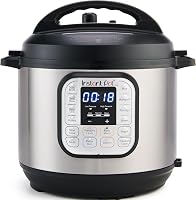
An electric model controls its heating element through settings and sensors. The Instant Pot Duo has pressure cook and steam functions, other cooking functions, and an Easy-Release steam switch.
The Cosori 6 Qt combines pressure cooking with other functions. Its Seal/Vent button sits away from the steam release valve, and its instructions advise allowing natural release for a few minutes for many recipes, especially those with more liquid, before using quick release.
For a broader explanation of electric, stovetop, and other pressure cooker types, compare how each design fits your routine.
Why does food cook faster under pressure?
Food cooks faster because trapped steam lets the cooker reach a higher temperature than an open pot of boiling water. Heat moves through the moist environment and into the food.
The actual cooking time depends on the cut, size, quantity, recipe, and release method. A pressure cooker also needs time to heat up and build pressure before the recipe's countdown begins.
Dense ingredients may take longer than small or tender ones. Use a recipe written for your cooker type, and don't assume a stovetop time will match an electric model exactly.
What happens when pressure is released?
Pressure falls when steam leaves the cooker or cools and condenses inside it. Open the lid only after pressure has dropped enough for the lock to disengage.
With a natural release, pressure falls gradually after the heat ends. A quick release vents steam through the cooker's valve or switch, following the instructions for your model.
Keep your hands and face away from the steam path. Liquid foods may sputter during quick release, so follow the recipe and manual about which release method to use.
How do you set up a pressure cooker safely?
Start by checking the manual, seal, lid, and release control before adding ingredients. Use the required liquid and leave room for the contents to expand and steam to circulate.
Fit the sealing ring as directed, lock the lid, and set the valve or control to the position used for pressure cooking. On an electric cooker, select the recipe's setting; on a stovetop model, follow the instructions for adjusting burner heat.
After cooking, use the recommended release method and wait for the lock or indicator to show that pressure has fallen. Read how to use a pressure cooker step by step before your first cook if you want a full setup and cooking walkthrough.
What common mistakes stop a pressure cooker from working?
A cooker may fail to reach pressure if steam escapes before the pot seals or if the liquid and heat setup do not match the instructions. Check the gasket position, lid lock, release setting, and required liquid amount.
Don't overfill the pot, especially with foods that expand or foam. Keep the regulator and steam release clear, and use the fill limits in the manual.
Let the cooker cool and depressurize fully before checking a suspected problem. If steam keeps leaking or the cooker acts differently from its instructions, stop using it and contact the manufacturer.
Never defeat a lock or plug a vent.
How should you care for a pressure cooker?
Clean the cooking pot and lid parts as the manual directs, and check the sealing ring and steam path for residue. A clean, correctly seated seal helps the cooker hold pressure as intended.
The Presto 01362 can be washed in a dishwasher, but its sealing ring and overpressure plug must be removed first and hand washed. For any cooker, use its own care directions rather than assuming all parts can go in the dishwasher.
Replace worn or damaged seals as directed for your model. Keep the lid and release parts free of food debris before storing the cooker.
Which pressure cooker should you choose?
Choose based on how you want to manage heat, which cooking functions you'll use, and how much setup you want to do. A stovetop cooker suits someone comfortable adjusting a burner; an electric cooker suits someone who prefers built-in controls and additional functions.
The Instant Pot Duo fits cooks who want pressure cooking alongside slow cooking, sautéing, steaming, rice, yogurt, and warming functions. Skip it if you want a simple stovetop pot or don't need an electric multi-function appliance.
The Kuhn Rikon Duromatic suits cooks who prefer stovetop control and want a stainless steel cooker that works on induction, gas, ceramic, and electric ranges. Skip it if you want automatic electric programs or do not want to manage heat at the stove.
The Presto 01362 is a straightforward stovetop option for cooks who value a regulator, a cover lock indicator, and compatibility with regular, smooth-top, and induction ranges. Skip it if you want electric controls or several built-in cooking functions.
The Cosori 6 Qt suits cooks who want an electric cooker with multiple functions, a ceramic-coated inner pot, and a separate Seal/Vent button. Skip it if you prefer the direct burner control of a stovetop model or want a stainless steel inner pot.
Compare these options with pressure cookers by type and use to narrow down your choice.
How does a pressure cooker work, and which one is right for you?
A pressure cooker works by holding steam in a sealed pot, raising the cooking temperature while its controls manage pressure and release. Pick an electric model for built-in controls and extra functions; pick a stovetop model if you want to use your range and adjust the heat yourself.
Whichever type you choose, follow its manual for liquid, fill limits, cleaning, and release. Start with pressure cooker sizes and capacity guidance if you need help matching a cooker to your household.
Frequently asked questions
How does a pressure cooker cook food faster?
A pressure cooker traps steam, raising the pressure inside the pot. Water and moist food can then reach a higher temperature than they would in an open pot at the same elevation, so many foods cook faster.
The actual time depends on the recipe, ingredients, cooker, and pressure setting.
Does a pressure cooker need water?
Yes. Pressure cooking needs liquid to produce steam, but the amount depends on the cooker and recipe.
Follow the manual and recipe instructions, and don't fill past the marked limit.
Thick foods and foamy ingredients may need special handling to keep steam paths clear.
What does the pressure regulator do?
The regulator helps control pressure by allowing excess steam to escape or by signaling that the target pressure has been reached, depending on the cooker design. Electric models use controls and sensors as well.
Follow the manual for your model's pressure indicators and heat settings.
When can you open a pressure cooker?
Open a pressure cooker only after its pressure has fallen and its lock or indicator shows it is safe. Use the release method in your manual, keep hands and face away from escaping steam, and never force a lid that remains locked or difficult to turn.