How to Use a Pressure Cooker Step by Step
To use a pressure cooker, check its parts, add food and the right amount of liquid, lock the lid, and follow the recipe and manual for cooking and steam release. Open it only after pressure has dropped and the lid opens.
On this page (8 sections)
- How do you use a pressure cooker step by step?
- What should you check before cooking?
- How much liquid and food should you add?
- How do you lock the lid and build pressure?
- How should you release pressure?
- When is it safe to open the cooker?
- What should you do after cooking?
- What is the safest way to use a pressure cooker?
To use a pressure cooker, check its parts, add food and the right amount of liquid, lock the lid, and follow the recipe and manual for cooking and steam release. Open it only after pressure has dropped and the lid opens.
The basic steps are similar for stovetop and electric models, but controls and release methods differ. Read the manual for your cooker, especially its minimum liquid, fill limits, and pressure release instructions.
How do you use a pressure cooker step by step?
Prepare the cooker, add ingredients and liquid, lock the lid, cook as directed, release pressure, and open only when unprotected. Use this sequence as a starting point, with your manual and recipe taking priority.
- Check that the pot, lid, sealing ring, and pressure valve are clean and in good condition.
- Add ingredients and the recipe’s required liquid. Stay within the cooker’s fill limits.
- Fit and lock the lid as your manual shows. Set the valve to the cooking position.
- Use the recipe’s settings and timing. For a stovetop model, adjust the heat as instructed once pressure is reached.
- At the end, use the recipe’s release method and the cooker’s instructions.
- Wait until pressure is fully down and the lid opens before opening it carefully.
A cooker may take time to reach pressure before its cooking timer begins. Plan for that time, plus any natural release called for in the recipe.
For an overview of model types and controls, see pressure cookers explained. If you’re new to the mechanism, how a pressure cooker works explains why the sealed pot needs liquid and pressure to cook.
What should you check before cooking?
Check the sealing ring, valve, lid, and pot before every use. The lid must close as intended, and the sealing parts must sit correctly for the cooker to operate.
Look for food or residue around the valve and lid edges. Make sure the sealing ring is seated in its track, with no visible damage.
If a part is missing, cracked, or hard to fit, stop and consult the manual or manufacturer before cooking.
A replacement ring may be needed if the existing one is damaged or no longer seals well. Our guide to pressure cooker gaskets and when to replace them covers signs to check.
What goes into an electric pressure cooker?
An electric pressure cooker needs the inner pot seated in the cooker before you add food. Keep the outside of the inner pot and the heating area dry, and don't put food directly into the outer housing.
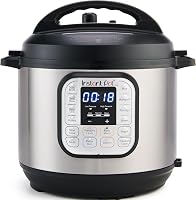
The Instant Pot Duo 6 Qt has pressure cook, slow cook, sauté, steam, rice, yogurt, and keep-warm functions. Its Easy-Release steam switch is designed for steam release; follow the manual and recipe to choose the right method.
How much liquid and food should you add?
Use the amount of liquid in the recipe and follow your manual’s minimum and maximum fill guidance. Pressure cookers need liquid to build steam, while some ingredients foam or expand as they cook.
Don't fill past the marked limit. If your manual gives separate limits for foods that expand or foam, use the more restrictive line for those ingredients.
Beans, grains, and other expanding foods need room, so don't estimate by eye.
A rack can keep food above the liquid for recipes that call for steaming. The Sugaroom steamer rack has 1 in legs and long handles, and fits Instant Pot 6 Qt and 8 Qt models and other electric pressure cookers.
For a batch-size decision, see what size pressure cooker to buy. Capacity alone doesn't tell you how much of a particular ingredient or recipe you can safely load.
How do you lock the lid and build pressure?
Lock the lid as your cooker’s manual shows, then set the valve for cooking. A lid that isn't seated or a valve in the wrong position can prevent the cooker from reaching pressure.
On an electric model, select the pressure cooking program and time as the manual describes. On a stovetop model, start with the heat level given in the instructions, then adjust when the cooker reaches pressure.
Don't try to speed up pressure building by exceeding the cooker’s heat or fill guidance. If steam escapes continuously from an unexpected place, turn off the heat or cancel the program and let the cooker cool before checking it.
Why does a pressure cooker need liquid?
Liquid creates the steam that allows a pressure cooker to build pressure. Follow the recipe and manual because the required amount varies by cooker and recipe.
Some ingredients release liquid as they cook, but don't assume that will meet your cooker’s minimum. If you're adapting a recipe, check whether it was written for pressure cooking and account for the liquid and fill rules in your manual.
How should you release pressure?
Use the release method named by the recipe and allowed by your manual. Natural release lets pressure fall while the cooker rests; a manual release vents steam through the valve.
Keep hands and face away from the steam path, and use the release control as directed. If liquid or foam starts coming through the valve, stop and follow the manual’s guidance rather than trying to block or cover the vent.
Some foods call for natural release, while other recipes specify a manual release. Follow the recipe’s method.
When is it safe to open the cooker?
Open the lid only when the pressure has fully dropped and the cooker opens. Never force a lid that remains locked or try to move a pressure indicator by hand.
Once it opens, open the lid carefully so steam moves away from you. Check the food and follow the recipe’s next step, such as stirring or letting it rest.
The Presto 01362 6 Qt Stainless Steel has a cover lock indicator that shows when pressure is inside and prevents opening until pressure is safely reduced. Its pressure regulator maintains cooking pressure automatically.
What should you do after cooking?
Let the cooker cool and clean it according to its manual. Remove food, wash the parts the manual allows, and clear residue from the valve and sealing area.
Presto says to remove the sealing ring and overpressure plug from its cover before putting the cooker in a dishwasher, then hand wash those parts.
Store the cooker with its parts dry, and check the seal and valve again before the next use. If you’re choosing a cooker for your kitchen, compare electric and stovetop pressure cookers based on the controls and cooking style you prefer.
What is the safest way to use a pressure cooker?
Follow the manual, respect the liquid and fill limits, keep the vent clear, and wait for the lid to open. If your cooker leaks from an unexpected spot, won't build pressure, or has damaged parts, stop and check the manufacturer’s instructions before using it again.
For steaming, choose a rack that fits your cooker and suits the recipe. Use the pressure settings and release steps made for your model.
Frequently asked questions
How much water do I put in a pressure cooker?
Use the liquid amount in your recipe and the minimum required by your cooker’s manual. The right amount depends on the appliance and recipe.
Don't guess when the manual gives a minimum.
Can you open a pressure cooker right after cooking?
No. Wait until pressure has released and the lid opens according to the manual.
A locked lid is a sign to wait, not to force it.
Electric cookers may have a natural release or a manual steam release; stovetop models have their own release instructions.
Should the pressure cooker valve be up or down?
The correct valve position depends on the cooker and the stage of cooking. Set it to the cooking position before pressure cooking, then use the release position only when the recipe and manual call for it.
Check the markings on your model rather than relying on another cooker’s setup.
Why is my pressure cooker not building pressure?
Check that the lid is locked, the sealing ring is seated, the valve is in the correct position, and the cooker has the required liquid. Also make sure the vent and sealing parts are clean and undamaged.
If steam keeps escaping or the cooker behaves oddly, turn it off and follow the manual.