Pressure Cookers Explained: Electric, Stovetop and More
A pressure cooker traps steam to cook food faster. Electric models manage heat and timing for you, while stovetop models use your burner. Choose by how much control you want, which cooktop you have and whether you need other cooking modes.
On this page (8 sections)
- What does a pressure cooker do?
- What is the difference between electric and stovetop pressure cookers?
- What kinds of electric pressure cookers are available?
- What kinds of stovetop pressure cookers are available?
- Should you choose a pressure cooker or a multi-cooker?
- How should you choose a pressure cooker?
- What care does a pressure cooker need?
- Which pressure cooker should you choose?
A pressure cooker traps steam to cook food faster. Electric models manage heat and timing for you, while stovetop models use your burner.
Choose by how much control you want, which cooktop you have and whether you need other cooking modes.
Electric cookers are convenient when you want built-in programs and a set-and-monitor routine. Stovetop models suit cooks who prefer direct burner control or want a pot that also works for ordinary stovetop cooking.
The name can also describe multi-cookers, which combine pressure cooking with other functions. Our guide to choosing a pressure cooker can help turn these differences into a shortlist.
What does a pressure cooker do?
A pressure cooker uses a sealed pot to build pressure from steam, which raises the cooking temperature above the normal boiling point of water. That lets many foods cook faster than they would in an uncovered pot.
The cooker needs liquid to create steam, and its lid stays locked while pressure is inside. Once cooking ends, release pressure according to the model's instructions before opening the lid.
Pressure cooking can help with beans, grains, soups and tougher cuts of meat. It does not make every recipe faster, since the cooker also needs time to heat up and release pressure.
Read how a pressure cooker works for a closer look at steam, pressure and the parts that control them.
What is the difference between electric and stovetop pressure cookers?
Electric pressure cookers heat themselves and use built-in controls; stovetop pressure cookers rely on your range. That difference affects how you start a cook, monitor it and adjust heat.
| Feature | Electric | Stovetop |
|---|---|---|
| Heat source | Built-in heating element | Burner on your range |
| Controls | Buttons, programs or a dial | Burner setting and cooker regulator |
| Typical setup | Countertop appliance with power cord | Pot and locking lid |
| Other functions | Often includes slow cook, sauté or steam modes | Usually works as a pressure cooker and regular pot |
| Cooktop fit | Needs an outlet and counter space | Must match your burner type, including induction if applicable |
The labels alone do not determine cooking speed, capacity or ease of cleaning. Compare the specific model's controls, release process, dimensions and care instructions.
Which pressure cooker style fits your routine?
An electric pressure cooker fits cooks who value preset programs and multiple functions in one appliance. It can take up counter space, so measure the spot where you plan to use or store it.
A stovetop pressure cooker fits cooks who want burner control and a pot they can use on the range. Check that its base works with your cooktop, and expect to manage the heat yourself.
Neither style is automatically better for every kitchen. Consider how often you pressure cook, whether you want one-touch settings and how comfortable you are monitoring a pot on the stove.
What kinds of electric pressure cookers are available?
Electric pressure cookers range from models focused on pressure cooking to multi-cookers with several other modes. A multi-cooker can replace more than one countertop appliance if you will use its extra functions.
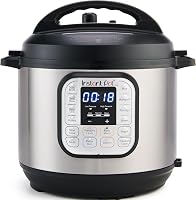
The Instant Pot Duo 6 Qt offers pressure cooking, slow cooking, sautéing, steaming, rice, yogurt and keep-warm functions. Its 13 one-touch options give you preset choices for common dishes.
The Cosori 6 Qt Pressure Cooker includes pressure cooking alongside slow cook, sauté, rice, steam, oatmeal, stew, beans, ferment, sous vide and keep-warm functions. It has a ceramic-coated inner pot and a steam release switch.
A wider function list is useful only if it matches your cooking habits. If you mainly make pressure-cooked meals, a simpler control panel may be easier to use than a long list of settings.
For a clearer definition of the category, see what a multi-cooker is and what it can do.
What kinds of stovetop pressure cookers are available?
Stovetop pressure cookers use the heat from your range and vary in their controls, materials and cooktop compatibility. Check the base and instructions for your specific cooker before using it on induction or another special cooktop.
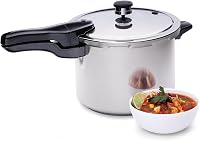
The Presto 01362 6 Qt Stainless Steel has a pressure regulator that maintains cooking pressure automatically and a cover lock indicator. Presto says it works on regular, smooth-top and induction ranges.
The T-fal Secure 6.3 Qt Stainless Steel has two cooking settings and a five-point safety system. T-fal describes it as suitable for all cooktops, including induction, and includes a steam basket.
A stainless steel body may matter if you want a pot that can serve more than one role in your kitchen. Compare lid design, handles, cleaning instructions and support for replacement parts.
See our stovetop pressure cooker guide for more models and buying details.
Should you choose a pressure cooker or a multi-cooker?
Choose a multi-cooker if you want pressure cooking plus other functions in one countertop appliance. Choose a dedicated stovetop pressure cooker if burner control and a pot-style design fit your routine better.
The Instant Pot Duo and Cosori both list multiple cooking functions beyond pressure cooking. These options may be useful for slow cooking, sautéing or steaming without moving food to a separate appliance.
A stovetop pressure cooker may be a better fit if you already have room on your range and do not need those extra modes. Its use still depends on matching the model to your cooktop and following its manual.
Our pressure cooker versus Instant Pot comparison explains why the terms can overlap and how to compare the appliance types.
How should you choose a pressure cooker?
Start with your cooking routine and kitchen setup, then compare capacity, controls, safety features and care needs. A short checklist helps prevent a feature list from driving the decision.
- Decide whether you want an electric appliance or a pot for your range.
- Confirm cooktop compatibility for any stovetop model.
- Choose a capacity that suits your usual recipes and household.
- Check how the lid locks and how pressure releases.
- Review cleaning steps and whether seals or other parts can be replaced.
- Consider extra modes only if you expect to use them.
Capacity matters because the cooker needs room for food and steam. Check each model's manual for fill limits, especially for foods that expand or foam.
For more help with capacity, read what size pressure cooker to buy. If you already own a cooker, how to use a pressure cooker step by step covers setup and cooking basics.
What care does a pressure cooker need?
A pressure cooker needs a clean lid, a well-seated sealing ring and clear pressure release parts. Follow the care steps for your exact model, since materials and dishwasher guidance vary.
Check the gasket for cracks, stretching or a poor seal, and replace it when the manufacturer recommends or the cooker no longer seals correctly. Find signs and replacement guidance in our pressure cooker gasket guide.
Clean removable parts after cooking and inspect vents for food residue. Do not force a lid open while pressure remains inside, and use the manual's release method for the recipe and cooker.
Which pressure cooker should you choose?
Choose a pressure cooker based on control and cooking functions. The Instant Pot Duo 6 Qt, score 9.2, is the highest-scoring pick here, followed by the Presto 01362 6 Qt Stainless Steel, score 8.9, the Cosori 6 Qt Pressure Cooker, score 8.8, and the T-fal Secure 6.3 Qt Stainless Steel, score 8.4.
Pick the Instant Pot Duo or Cosori if you want an electric cooker with several functions. Pick the Presto or T-fal if you want a stovetop model, then check that it suits your cooktop.
If you're still comparing appliance types, begin with our pressure cooker buying guide, then check the stovetop models guide or multi-cooker guide for the style that fits your kitchen.
Frequently asked questions
What is the difference between an electric and stovetop pressure cooker?
An electric pressure cooker heats itself and usually manages its cooking program with built-in controls. A stovetop pressure cooker sits on a burner, so you control the heat at the range.
Compare the cooking process, available settings and your kitchen setup before choosing.
Is an Instant Pot the same as a pressure cooker?
An Instant Pot is an electric pressure cooker brand, and many models also offer modes such as slow cooking, sautéing or steaming. The name is often used casually for multi-cookers, but pressure cooking is only one function they may include.
Do stovetop pressure cookers work on induction?
Some stovetop pressure cookers work on induction, but compatibility depends on the specific model. Presto says its 01362 model works on induction ranges, and T-fal describes its Secure model as suitable for induction cooktops.
How do I choose a pressure cooker size?
Choose capacity based on the largest meal you usually cook and how much counter or cabinet space you have. Compare usable capacity guidance and dimensions for the model, since a pot's stated size does not tell you exactly how much food a recipe can hold.
Are pressure cookers safe to use?
Pressure cookers have features such as locking lids and pressure controls, but safe use still depends on following the model's manual. Keep the lid locked during cooking, use the specified amount of liquid and wait for pressure to drop before opening.