Pressure Cooker vs Instant Pot: Which One to Buy? (October 2026)
Choose a stovetop pressure cooker for range-top cooking, or an Instant Pot for electric controls and extra cooking modes. This pressure cooker vs Instant Pot comparison comes down to your kitchen setup and the jobs you want one cooker to handle.
On this page (12 sections)
- Pressure cooker vs Instant Pot: what is the difference?
- Who should choose a stovetop pressure cooker?
- Who should choose an Instant Pot?
- How should you set up an electric cooker?
- How should you use a stovetop cooker safely?
- Does either type cook faster?
- Which cooker is easier to clean and maintain?
- What common buying mistakes should you avoid?
- Which pressure cooker should you buy?
- How we compared these cookers
- Which pressure cooker vs Instant Pot questions matter most?
- Final choice: pressure cooker or Instant Pot?
Choose a stovetop pressure cooker if you want a range-top pot, or an Instant Pot if you want electric controls and more cooking functions. In this pressure cooker vs Instant Pot comparison, the main choice is how you cook and what else you want the appliance to do.
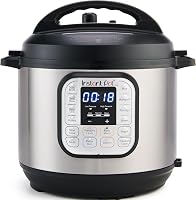
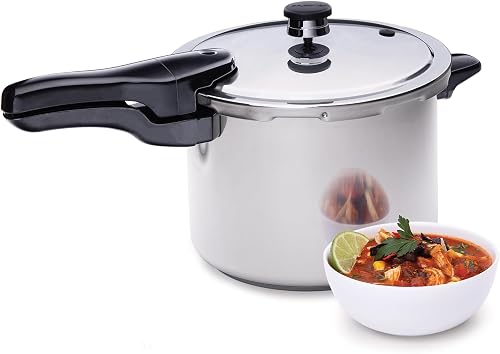
The Presto 01362 is a 6 qt stovetop model that works on regular, smooth-top and induction ranges. The Instant Pot Duo and Cosori are electric 6 qt cookers with functions beyond pressure cooking.
All 3 suit someone comparing a 6 qt capacity. Your range, counter space, preferred controls and extra cooking needs will help you decide.
Pressure cooker vs Instant Pot: what is the difference?
A stovetop pressure cooker is a pot for a compatible range; an Instant Pot is an electric pressure cooker with additional functions. Both cook under pressure, but they fit different kitchen routines.
The Presto has a pressure regulator that maintains cooking pressure automatically. Its cover lock indicator shows when pressure remains inside and prevents opening until pressure is safely reduced.
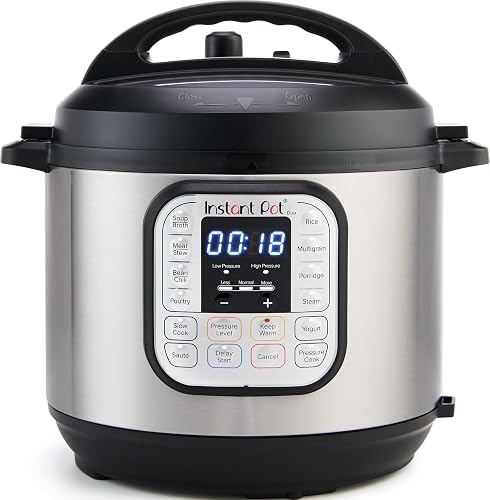
The Instant Pot Duo adds slow cook, sauté, steam, rice, yogurt and keep-warm functions to pressure cooking. The Cosori adds modes such as sous vide, ferment and sterilize.
For a broader look at electric and stovetop designs, see pressure cookers explained. If you're comparing multi-function appliances, our guide to what a multi-cooker can do explains the category.
Who should choose a stovetop pressure cooker?
Choose a stovetop model if you have a compatible range, prefer a pot over a countertop appliance, and mainly want pressure cooking. Skip this format if you want push-button programs or don't have a suitable cooktop.
A stovetop cooker uses space on the range while it cooks, then can be stored with your regular pots. The Presto's stainless steel body and helper handle suit cooks who want a movable pot for pressure cooking and other stovetop jobs.
The Presto also works on induction, regular and smooth-top ranges. Check your cooktop and the cooker instructions before buying, especially if your kitchen uses induction.
This format asks you to work with the range and recipe timing. Its regulator maintains pressure automatically, but it does not provide electric presets for tasks such as rice or slow cooking.
If you're weighing other stovetop designs, our guide to choosing a stovetop pressure cooker covers the features to compare. The Presto is a practical fit when compatible range use matters more than having several appliance modes.
Who should choose an Instant Pot?
Choose an electric pressure cooker if you want countertop controls and expect to use functions beyond pressure cooking. Skip the extra appliance if counter space is scarce or you would rarely use its other modes.
The Instant Pot Duo combines pressure cooking with slow cooking, sautéing, steaming, rice, yogurt and keep warm. Its 13 one-touch options can make familiar settings easier to select, and its stainless steel cooking pot has a tri-ply bottom for searing and sautéing.
The Cosori offers a different set of functions, including sous vide, ferment and sterilize. It has 13 cooking presets, a ceramic-coated inner pot and a steam-release switch set away from the steam valve.
The function lists help narrow the choice, but a higher count does not automatically make a better fit. Choose based on the meals you make, the controls you prefer and the pot material you want to care for.
The Duo weighs 14.6 lb and the Cosori weighs 11.9 lb. Decide where the appliance will live and whether you can lift it from storage before setting up a countertop cooking station.
Is the Instant Pot Duo or Cosori better for your kitchen?
Choose the Duo for its stainless steel pot and familiar one-touch options, or the Cosori if its ceramic-coated pot and extra modes suit your cooking. Both are electric countertop choices.
The Duo's functions cover common jobs such as pressure cooking, rice, yogurt and slow cooking. Its tri-ply-bottom pot supports sautéing and searing, which lets you begin some recipes in the cooker.
The Cosori's varied modes suit cooks who want settings such as sous vide and ferment alongside pressure cooking. Its lid uses orange alignment dots: line up the dots, then turn the lid clockwise to secure it.
Neither menu needs to dictate your decision. List the 2 or 3 functions you expect to use most, then choose the model whose controls and pot match those needs.
How should you set up an electric cooker?
Set an electric cooker on a stable counter near a suitable outlet, with room to handle its lid and release steam safely. Leave enough space to move around it without reaching over the steam path.
Before cooking, read the model's manual and learn how to lock the lid, select a program and release pressure. For the Cosori, align the orange marks on the lid and base, then twist clockwise; wait until the float valve drops before opening.
Keep your face and hands away from escaping steam. Use the release method called for by the recipe and the cooker instructions, especially when liquid or foamy ingredients are involved.
For the Cosori, guidance recommends letting pressure release naturally for a few minutes before switching to quick release for many recipes, especially liquid-heavy dishes. That pause can reduce splatter; follow the exact recipe and manual for your meal.
How should you use a stovetop cooker safely?
Follow the manual for filling, heating, pressure release and opening, and wait until pressure has safely reduced before removing the cover. The Presto's lock indicator is a reminder that pressure remains inside.
Set the cooker on a compatible burner and use the recipe's directions for heat and timing. The pressure regulator maintains cooking pressure automatically, while the cook still manages the range and follows the release steps.
Don't force a lid that remains locked. Give pressure time to reduce using the method in the manual, then check the indicator before opening.
A first-time user can review our step-by-step pressure cooker guide before cooking. It helps you understand the basic sequence, from adding ingredients to opening the cooker safely.
Does either type cook faster?
Compare the full recipe time, including heating and pressure release, because time under pressure is only part of the meal. The recipe, range and release method all affect when food is ready.
Instant Pot says the Duo can cook up to 70% faster than slow-cooking methods. That is a comparison with slow cooking, not a direct speed comparison with the Presto.
An electric cooker needs time to heat and build pressure before its cooking cycle. A stovetop cooker also takes time to come to pressure, and its pace depends on the heat source and how you manage it.
Use the recipe's recommended release method rather than choosing a cooker from a broad speed claim. A quick release may not suit every dish, and liquid-heavy foods can splatter when vented quickly.
Which cooker is easier to clean and maintain?
The Presto can go in the dishwasher after you remove its sealing ring and overpressure plug; the Cosori's lid, inner pot and accessories are dishwasher-safe. Check the manual for the Duo's full care instructions.
The Presto's ring and overpressure plug need hand washing even when the rest of the cooker goes into the dishwasher. Remove them from the cover first.
The Cosori's ceramic-coated pot makes its material distinct from the Duo's stainless steel cooking pot. Use the care directions for the surface you choose, and let parts cool before handling or washing.
After cooking, clean the lid and sealing parts as the manual directs, and make sure removable parts are ready for the next use. If a seal becomes worn or damaged, see our guide to pressure cooker gaskets and replacement timing.
What common buying mistakes should you avoid?
The biggest mistake is choosing by brand name or function count before checking your cooking setup and habits. A cooker can have useful features and still be the wrong shape for your kitchen.
First, don't assume every Instant Pot model has the same settings. Compare the exact model's functions, controls and care requirements before deciding.
Second, don't treat the Duo or Cosori as space-free replacements for cookware. Measure the counter or storage area, account for the appliance's weight, and make sure an outlet is close enough for safe placement.
Third, don't buy a stovetop cooker for induction without confirming compatibility. The Presto works on induction, regular and smooth-top ranges, but that should not be assumed for every stovetop model.
Finally, don't judge speed by a single number or recipe's pressure time. Include heat-up and release in your planning, and choose settings that match the dish.
Which pressure cooker should you buy?
Buy the Presto for focused range-top pressure cooking, the Duo for everyday multi-cooker functions, or the Cosori for a broader menu of presets. Choose by kitchen fit and likely use, not by the longest feature list.
Choose the Presto 01362 if you have a compatible range and want a 6 qt stainless steel pot with an automatic regulator. It is the clearest pick for cooks who prefer stovetop control and don't need electric programs.
Choose the Instant Pot Duo if you want an electric cooker that pressure cooks and also slow cooks, sautés, steams, makes rice and yogurt, and keeps food warm. Its stainless steel pot and 13 one-touch options suit cooks who want one countertop appliance for varied routines.
Choose the Cosori if the ceramic-coated inner pot and settings such as sous vide or ferment fit meals you actually make. Its extra modes make sense for cooks who want to experiment with more than basic pressure cooking.
Skip the electric models if you have little counter space or won't use their added functions. Skip the stovetop option if your range isn't compatible or you prefer an appliance that manages its own cooking programs.
For a broader shortlist, browse our pressure cooker buying guide. If you already know you want a range-top model, compare our best stovetop pressure cookers.
Which option fits your cooking routine?
Pick the Presto for compatible range-top cooking; pick an Instant Pot for electric controls and other cooking modes. Between the electric choices, match the Duo or Cosori's functions and pot to your usual meals.
If you still need to settle on capacity, use our pressure cooker size guide to compare cooking needs with available space.
How we compared these cookers
We compared the cookers' functions, controls, capacity, range compatibility and care details. The scores reflect how well each model's features fit this comparison's likely buyer.
The Presto's range compatibility suits cooks who want stovetop cooking, including on induction. The Duo covers several common kitchen tasks, while the Cosori adds modes such as sous vide and ferment.
This comparison focuses on the differences that affect daily use: where the cooker sits, how you control it, what it can cook and how its parts are cleaned. Those are more useful decision points than counting every preset equally.
Which pressure cooker vs Instant Pot questions matter most?
Start with the cooking surface and the tasks you want the cooker to handle. Those choices narrow the field before you compare controls, cleanup and capacity.
A stovetop cooker needs a compatible range, while an electric model needs counter space and power. For more on electric pressure cookers, see our guide to countertop pressure cookers.
Think about whether you want to keep separate tools for slow cooking, rice or steaming. If you'll use those functions, the Duo or Cosori may earn its counter space; if not, the Presto keeps the choice focused on pressure cooking.
Is the Instant Pot comparison really about brand?
No, it's mainly a comparison between stovetop and electric formats. Instant Pot is a brand, and the Duo is one electric pressure cooker model with extra cooking functions.
Other electric cookers can offer a different mix of settings. Compare the exact model's controls, functions and care directions instead of assuming all countertop cookers work the same way.
The Cosori is another electric option here, with a ceramic-coated pot and a broad set of presets. The Presto represents the range-top format.
Final choice: pressure cooker or Instant Pot?
Pick the Presto if you have a compatible range and want dedicated stovetop pressure cooking; pick the Duo or Cosori if you want an electric cooker with extra modes. For the pressure cooker vs Instant Pot decision, let your space and regular cooking habits settle the choice.
Choose the Duo for its stainless steel pot and common multi-cooker tasks. Choose the Cosori if its ceramic-coated pot and broader preset range fit the way you cook.
For more help choosing capacity, compare Instant Pot 6 qt and 8 qt sizes before you commit to a countertop model.
Frequently asked questions
Is an Instant Pot the same as a pressure cooker?
An Instant Pot is an electric pressure cooker brand, and many Instant Pot models also offer other cooking functions. A stovetop pressure cooker is a separate pot used on a compatible range.
Check the model's functions before buying, since the Instant Pot name alone doesn't tell you which settings it includes.
Does an Instant Pot cook faster than a stovetop pressure cooker?
Cooking time depends on the recipe, pressure setting and cooker. An electric model needs time to heat and build pressure, while a stovetop cooker depends on the range and the cook's pressure control.
Compare the full recipe time, including heating and pressure release, rather than just the time under pressure.
Can a stovetop pressure cooker work on induction?
Some stovetop pressure cookers work on induction, but the model must be compatible. The Presto 01362 is designed for induction as well as regular and smooth-top ranges.
Check the cooker's instructions and your range requirements before buying.
Can an Instant Pot replace a slow cooker?
The Instant Pot Duo includes a slow-cook function, so it can handle that kind of cooking as well as pressure cooking. Results and controls can differ from a dedicated slow cooker, so use recipes and instructions suited to the exact model.
Which size should I buy?
Pick a capacity based on the meals you make, how many people you serve and the space available for storage or countertop use. These 3 choices are all 6 qt.
For help matching capacity to your household, see our guide to pressure cooker sizes.