What Is a Multi-Cooker and What Can It Do?
A multi cooker combines several cooking functions in one countertop appliance, such as slow cooking, sautéing, or steaming. What is a multi cooker best for? The answer depends on which modes you want and whether pressure cooking is one of them.
On this page (9 sections)
- What does a multi cooker do?
- How is a multi cooker different from a pressure cooker?
- What can you cook in a multi cooker?
- How do you choose a multi cooker?
- Who should buy each type, and who should skip it?
- What should you do before the first use?
- How do you care for and use a multi cooker?
- What common multi cooker mistakes should you avoid?
- Is a multi cooker worth having?
A multi cooker combines several cooking functions in one countertop appliance. If you're asking what is a multi cooker, think of an appliance that may slow cook, sauté, steam, keep food warm, or pressure cook, depending on its design.
The useful question is which of those jobs you want it to handle. Some models let you brown ingredients in the same pot before slow cooking, while others include pressure cooking or specialty modes such as sous vide and proofing.
What does a multi cooker do?
A multi cooker handles more than one cooking method in a single appliance. Common functions include slow cooking, sautéing, steaming, warming, and pressure cooking, but the combination varies by model.
That can reduce pot changes during a meal. A cooker with sauté can brown ingredients in its pot before you switch to slow cooking, while a steam setting suits foods prepared with steam.
Mode names alone don't explain every control or limit. Check the manual for time and temperature settings, capacity guidance, and the right method for your recipe.
How is a multi cooker different from a pressure cooker?
A pressure cooker cooks under pressure; a multi cooker may or may not include that function. The first term describes a cooking method, while the second describes an appliance that combines methods.
An electric pressure cooker may also slow cook, steam, or sauté. A multi cooker without a pressure function won't handle recipes that depend on pressure.
For a plain-language explanation of sealed-pot cooking, read how pressure cookers work. Our overview of pressure cooker types covers electric and stovetop options, and which pressure cooker to buy helps match a style to your routine.
Does every multi cooker pressure cook?
No, pressure cooking is only available on models designed for it. A cooker that slow cooks, sautés, and steams may be a multi cooker without having a pressure setting.
The Instant Pot Superior 7.5 Qt combines slow cooking, sautéing, steaming, and warming, but it does not pressure cook. The Cosori 6 Qt includes pressure cooking along with slow cook, steam, sauté, and sous vide functions.
What can you cook in a multi cooker?
You can prepare dishes that match the functions on your model, from slow-cooked stews to steamed foods and meals that begin with sautéing. Pressure-cooking recipes require a pressure-capable appliance.
A multi cooker with sauté can brown ingredients before another cooking step. A keep-warm mode can hold a finished dish according to the manual, while steaming suits ingredients and recipes that call for steam.
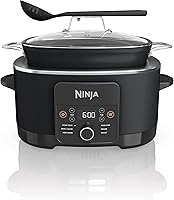
The Ninja PossibleCooker PLUS MC1010 has slow cook, sear and sauté, keep warm, sous vide, braise, and proof functions. Its removable pot is oven safe up to 500°F, so you can finish a dish in the oven when that suits the recipe.
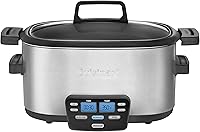
The Cuisinart Cook Central 6 Qt offers brown and sauté, slow cook, and steam. Its one-touch mode changes are useful for combination recipes that move from browning to slow cooking.
How do you choose a multi cooker?
Choose cooking functions first, then compare capacity, pot care, and controls. Extra modes add value only when they fit meals you make regularly.
- Start with your main method: Choose slow cooking, pressure cooking, steaming, or sautéing based on the recipes you expect to make. Confirm that the appliance includes each function you need.
- Match the capacity to your meals: Consider whether you usually cook for yourself, a household, or gatherings. A larger pot can help with batch cooking, but measure your counter and storage space too.
- Check the pot and lid: Look for a removable pot, note its material, and see which pieces can go in the dishwasher. Follow the pot's care directions so you don't damage its surface.
- Choose controls you'll use: An easy-to-read display and straightforward buttons can matter more than a long menu of modes. Check how you set time and temperature.
- Consider the full routine: If you want to brown and then slow cook without moving food to a pan, prioritize a cooker with in-pot sauté or sear. If you need pressure cooking, make sure the model explicitly supports it.
For a slow-cooking routine, compare slow cooker brands and see options in our guides to 6-quart slow cookers and 8-quart slow cookers. Those size guides can help you think through serving needs before choosing a multi cooker.
Is a sear function useful?
A sear function lets you brown ingredients in the cooker before switching modes. That can keep a recipe in one pot when the cooker supports searing or sautéing.
The Ninja PossibleCooker PLUS and Cuisinart Cook Central both offer browning functions. The slow cookers with a sear function guide compares cookers built around this combination.
Who should buy each type, and who should skip it?
Buy a multi cooker when you want its specific mix of cooking methods and will use several of them. Skip extra modes if you mainly need one job done and a simpler appliance already fits your kitchen.
The Ninja PossibleCooker PLUS suits cooks who want a large-capacity cooker with slow cook, sauté, braise, sous vide, and proof modes. Its 8.5-quart pot is aimed at larger meals and entertaining, so it may be more cooker than a small household needs.
The Cuisinart Cook Central is a better fit for someone who wants a 6-quart pot with brown and sauté, slow cook, and steam. Skip it if pressure cooking is a must, since its listed functions don't include that method.
The Instant Pot Superior suits cooks who want slow cooking, sautéing, steaming, and warming in a 7.5-quart appliance. Choose another model if pressure cooking is part of your plan.
The Cosori is the clearest choice here for a cook who wants pressure cooking plus several other modes in a 6-quart format. Skip it if you specifically want a non-pressure slow cooker with a simpler set of functions.
What should you do before the first use?
Read the manual before cooking, then identify each part and its care instructions. A short setup check helps you use the right function and avoid guessing about the lid, pot, or controls.
Set the cooker on a stable, open counter with room around it for heat and steam. Wash the removable parts as directed, dry them, and confirm how the pot and lid fit into the base.
Before starting a recipe, check whether its steps match your cooker. A pressure recipe needs a pressure-capable model, and cooking times or liquid needs may differ across appliances.
How do you care for and use a multi cooker?
Follow the manual for cleaning, fill levels, and mode-specific use. Removable pots and lids have different materials and care needs, so don't assume every part is dishwasher safe.
For example, the Ninja's utensil and glass lid are dishwasher safe, while hand-washing the pot is recommended to extend its life. The Cuisinart has a removable nonstick aluminum pot and a glass lid, and the Instant Pot Superior includes a nonstick ceramic-coated aluminum pot with dishwasher-safe lid and accessories.
Use utensils that suit the pot's surface, avoid abrupt changes in mode unless the recipe and manual allow them, and let parts cool as directed before washing. Keep the controls and cooker base dry during cleanup.
What common multi cooker mistakes should you avoid?
The most common mistake is assuming every multi cooker has the same modes. Check the exact functions before choosing a recipe or buying accessories.
- Don't assume a slow cooker can pressure cook. Confirm a pressure setting and follow its pressure-specific instructions.
- Don't select a capacity by number alone. Think about your usual batch size and where the pot will sit and be stored.
- Don't treat sauté and sear as interchangeable across every appliance. Check the manual for how to use the mode and whether food should be removed before the next step.
- Don't ignore care guidance for a nonstick or coated pot. Use the cleaning method recommended for that specific cooker.
- Don't assume a recipe transfers unchanged from a different appliance. Check the manual and adjust only when you have reliable guidance for that model.
Is a multi cooker worth having?
A multi cooker is worth considering if you want several cooking methods in one appliance and will use them often. Choose pressure cooking plus multiple modes for broad flexibility, or pick a non-pressure model when slow cooking, steaming, and sautéing cover your routine.
Pick the Ninja for large batches and its range of non-pressure modes, the Cuisinart for a 6-quart combination of browning, slow cooking, and steaming, or the Instant Pot Superior for a larger non-pressure cooker with sauté and steam. Choose the Cosori when pressure cooking is essential alongside other functions.
For a broader look at the available appliance styles, start with pressure cookers explained.
Frequently asked questions
What is a multi-cooker used for?
A multi-cooker combines several cooking methods in one countertop appliance. Depending on its functions, you might use it to slow cook a stew, sauté ingredients in the pot, steam vegetables, or keep a dish warm.
Check the controls and manual because one model may not offer every method.
Is a multi-cooker the same as a pressure cooker?
No. Some multi-cookers include pressure cooking, while others focus on slow cooking, sautéing, steaming, or other methods without pressure.
Check the functions for the model and read the manual before using a recipe that depends on pressure.
Can a multi-cooker replace a slow cooker?
A multi-cooker with a slow-cook function can handle recipes designed for slow cooking, though timing and results can vary by appliance. Check the manual's guidance and recipe instructions, especially if you're switching from a separate slow cooker.
What should I check before buying a multi-cooker?
Start with the cooking methods you expect to use, then check capacity, pot material, controls, and cleanup instructions. Also consider whether you want pressure cooking: a multi-cooker without that function won't replace a pressure cooker for recipes that need it.