How to Cook Eggs in Pressure Cooker
To cook eggs in a pressure cooker, set the eggs on a rack above 1 cup of water and pressure cook on high for 5 minutes, then let the pressure release naturally for 5 minutes before a quick release. Chill the eggs in ice water so the shells peel cleanly.
On this page (8 sections)
- How does a pressure cooker cook eggs?
- What timing gives which doneness?
- How do you set up the cooker for eggs?
- How do you release the pressure safely?
- How do you cool and peel the eggs?
- What should you know about steam and storage?
- Common mistakes when cooking eggs in a pressure cooker
- Conclusion: the simple egg routine to repeat
To cook eggs in a pressure cooker, set the eggs on a rack above 1 cup of water and pressure cook on high for 5 minutes, then let the pressure release naturally for 5 minutes before a quick release. Chill the eggs in ice water so the shells peel cleanly.
That method gives you hard boiled eggs with set yolks and shells that usually come away in a few pieces. Learning how to cook eggs in a pressure cooker takes one or two batches to dial in the timing for your cooker, but the routine stays the same.
How does a pressure cooker cook eggs?
A pressure cooker cooks eggs with steam and high pressure rather than a rolling boil. The water below the rack turns to steam, the sealed lid traps it, and the pressure raises the cooking temperature above what a pot on the stove reaches.
That is why 5 minutes of pressure cooking gives a firm egg. The eggs sit in steam, so they heat evenly from all sides without rattling against the pot bottom.
Nothing in the pot is tumbling the eggs around, so the shells are not knocked against each other the way they are in a saucepan at a rolling boil.
For a plain-language explanation of the sealed lid and pressure valve, read how does a pressure cooker work. The same steam that cooks rice and beans cooks eggs, just for a much shorter time.
Keep the eggs above the water line. An egg sitting in water boils unevenly and is more likely to crack against the pot or another egg.
The steam is what does the cooking, so the eggs do not need to touch the water at all.
What timing gives which doneness?
Five minutes at high pressure gives a firm hard boiled egg, with a fully set white and a yolk that is cooked through. Adjust from there for softer centers or smaller eggs.
- 4 minutes: jammy yolk with a set white.
- 5 minutes: classic hard boiled egg.
- 6 minutes: very firm yolk, good for potato salad.
- 7 minutes or more: rubbery whites, so avoid going long.
Small or medium eggs cook faster, so try 4 minutes for a large batch of smaller eggs. A natural release of 5 minutes finishes the job gently and reduces cracking.
Keep in mind that the natural release keeps the eggs in the hot pot a little longer, so it nudges the doneness up slightly compared with a quick release at the same minute count.
How do you set up the cooker for eggs?
Pour 1 cup of water into the inner pot, set a rack or trivet inside, and lay the eggs on the rack in a single layer. That is the whole setup.
Use cold water from the tap. You do not need to bring it to a boil first, because the cooker heats under pressure anyway.
The cooker comes up to pressure on its own, so the water simply has to be there to make the steam.
Eggs can touch each other gently, but do not force extra eggs into a crowded row. A cracked shell during cooking leaks egg white and leaves a mess to clean later.
If the eggs wobble when you set the rack down, the layer is too full.
Which cooker makes egg batches easy?
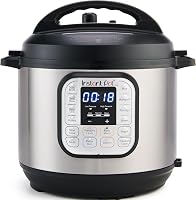
The Instant Pot Duo 6 Qt is a good fit for egg batches because its 6-quart pot holds about a dozen large eggs in one layer on a rack. Its steam switch releases pressure in one controlled step, which helps when you cook eggs often.
The switch is labeled the Easy-Release steam switch, and it lets you move from cooking to releasing without juggling a separate valve.
It has 7 cooking functions and 13 one-touch programs, so eggs share the appliance with soups, rice and yogurt. The stainless steel inner pot is built from 18/8 steel with a tri-ply bottom, so it cleans up without a nonstick coating to worry about.
Its 120-volt design and 1-year manufacturer warranty round out the basics for a first egg batch.
Which cooker suits families and bigger batches?
The Instant Pot Pro 6 Qt works for larger households because its 6-quart capacity is rated for up to 6 servings. It offers 10 cooking functions and 28 one-touch programs, plus a gentle steam release switch with a diffusing cover.
Its lid and inner pot are dishwasher safe, which matters when you cook eggs in big batches for meal prep. The extra sealing ring is handy if you cook savory dishes between egg batches.
The 1200-watt heating element brings the pot up to pressure quickly, so a dozen eggs moves along without a long wait. It also has easy grip inner pot handles, an auto-sealing safety lid lock and overheat protection, which are reassuring when you are lifting a hot pot full of eggs.
Do you need a rack for eggs?
A rack keeps eggs clear of the water, so yes, use one unless the eggs sit in a steamer basket. A trivet or steamer rack also gives you handles to lift the eggs out without burning yourself.
The Sugaroom Steamer Rack Trivet fits 6-quart and 8-quart electric cookers. Its long silicone handles let you lift a full rack of eggs out in one move.
The handles are 5.2 inches long, so your hand stays well away from the hot pot wall.
The legs raise food 1 inch above the water, so steam surrounds the eggs and water does not splash over the tops. It folds flat for storage and its smooth legs won't scratch a nonstick pot.
The stainless steel 304 material is dishwasher safe and rustproof, and the rack measures 7.7 by 5.2 inches, which suits the 6-quart pots above. The same rack works for whole chicken and cheesecake pans, so it earns its drawer space beyond egg duty.
How do you release the pressure safely?
Let the cooker sit off the heat or switched off for 5 minutes, then release any remaining pressure with the valve. That 5-minute natural release finishes the eggs gently and reduces cracked shells.
Wait until the float valve drops before opening the lid. Open it away from your face, because steam still escapes.
On a cooker with a diffusing cover, the steam leaves more quietly, but the same rule applies: keep your hands and face clear of the vent.
If your model has a switch-style release, follow its instructions for the final quick release. For general steps on pressure and steam, see how to use a pressure cooker step by step.
How do you cool and peel the eggs?
Move the eggs straight into a bowl of ice water for 5 minutes, then peel them under running water. The cold stop halts the cooking and helps the shell pull away from the white.
Tap each egg on the counter to crack the shell all over, then start peeling from the wide end. A spoon can slip between the shell and egg if the shell sticks.
Keep the ice water handy while you peel so the eggs stay cold.
Peel eggs you plan to serve right away. For storage, keep the shells on so the eggs stay fresh longer.
What should you know about steam and storage?
Eggs cook in steam under pressure, so keep the water level low and the eggs above it, and use only the amount of water your cooker's manual allows. Steam scalds, so keep hands and face away from the release valve.
Let eggs cool fully before storing them. Put hard boiled eggs in a covered container in the fridge and use them within about a week.
Dry the eggs before they go in the container so they do not sit in moisture.
Do not reheat boiled eggs in the shell in a microwave. Cut them first, or serve them cold in salads and sandwiches.
A steamer rack also helps for pot-in-pot cooking, where a pan of food sits above the water instead of in it.
Common mistakes when cooking eggs in a pressure cooker
Crowding the rack and skipping the ice bath cause most problems. A tight fit cracks shells, and warm eggs keep cooking after the lid opens.
Other slips to avoid:
- Too little water, which leaves the cooker dry before the eggs finish.
- Skipping the natural release, which makes shells split more often.
- Peeling hot eggs before the ice bath, which tears the whites.
- Using very old eggs, which are harder to peel even after steaming.
- Setting the eggs directly on the pot bottom, where they sit in water and heat unevenly.
Fresh eggs can be harder to peel than slightly older ones. If peeling matters more than freshness, use eggs that are about a week old.
Also keep the eggs out of the path of the steam vent inside the lid when you arrange the rack, so steam does not blast one spot and crack the shell nearest the vent.
Conclusion: the simple egg routine to repeat
For anyone learning how to cook eggs in pressure cooker style, the reliable routine is 1 cup of water, a rack, 5 minutes on high pressure, a 5-minute natural release and an ice bath. That batch gives firm yolks and shells that usually peel in one or two pieces.
Try 4 minutes for softer centers and 6 for very firm yolks. Once you know your cooker's timing, eggs become one of the easiest things you make in it.
A rack with long handles makes the lift-out safer, and the ice bath makes the peel cleaner.
If you are still deciding which appliance to buy for eggs and everyday meals, compare the best pressure cookers before you order. For other steam-cooked staples, our guide to how long to cook beans in pressure cooker shows how far the same method stretches.
Frequently asked questions
How many eggs fit in a 6-quart pressure cooker at once?
A 6-quart cooker holds about 12 to 14 large eggs in a single layer on a rack. Stack a second row only if your rack and steamer basket keep every egg stable and clear of the water.
Why do my pressure cooker eggs crack during cooking?
Eggs crack when the shell is weak or the pressure changes too fast. Let the cooker release naturally for 5 minutes first, and avoid packing eggs so tightly that one presses on another.
Do hard boiled eggs made in a pressure cooker peel more easily?
Many cooks find the shells slip off more cleanly after pressure cooking, because the steam surrounds each egg. An ice water bath right after cooking helps the egg pull away from the shell.
How long do pressure cooker eggs keep in the fridge?
Hard boiled eggs keep in the fridge for about a week once cooled and dried. Store them in a covered container and mark the date so you know when to use them.