How Long to Cook Beans in a Pressure Cooker
Most soaked beans cook in 6 to 12 minutes at high pressure, while unsoaked beans need about 25 to 45 minutes. Chickpeas and kidney beans sit at the long end, and everything needs a natural release before you open the lid.
On this page (13 sections)
- How long to cook beans in a pressure cooker by type
- Why unsoaked beans need a much longer cook time
- How much water and how many beans should go in the pot?
- How do you pressure cook beans step by step?
- Should you use a quick release or a natural release for beans?
- Why do beans split, foam or stay hard in a pressure cooker?
- How does a pressure cooker make beans faster?
- Can you cook beans in an electric or stovetop pressure cooker?
- How do you know when beans are done?
- Does soaking time change the cook time?
- How should you store cooked beans?
- Does altitude change the time for beans in a pressure cooker?
- How long to cook beans in a pressure cooker: the quick rule
Soaked beans usually take 6 to 12 minutes at high pressure, and unsoaked beans take 25 to 45 minutes, depending on the variety. This guide covers how long to cook beans in a pressure cooker for the common types, plus the release and safety steps that decide whether they come out creamy or chalky.
The cook time matters less than the pair of settings around it: enough water and a natural release. Get those right and beans turn tender without splitting.
How long to cook beans in a pressure cooker by type
Use the shorter times for small beans and the longer end for chickpeas and kidney beans. These are high-pressure times for a 6-quart cooker at sea level.
| Bean (1 cup dry) | Soaked | Unsoaked | Water |
|---|---|---|---|
| Black | 6–8 min | 20–25 min | 3 cups |
| Pinto | 8–10 min | 25–30 min | 3 cups |
| Navy | 6–8 min | 20–25 min | 3 cups |
| Kidney | 10–12 min | 35–40 min | 4 cups |
| Chickpea | 12–15 min | 35–45 min | 4 cups |
| Lentil (brown) | not needed | 8–10 min | 2 cups |
Add 1 to 2 minutes if you want very soft beans for hummus or refried beans. Lentils and split peas skip soaking entirely and cook in under 12 minutes.
Why unsoaked beans need a much longer cook time
Unsoaked beans take three to four times as long because dry beans are dense. Water has to work through the seed coat and into the center before the starch softens.
Soaking starts that process before the cooker is switched on. An overnight soak in plenty of cold water lets the beans absorb water and soften slightly.
Cooks who skip soaking trade planning time for cooker time. The long cook is not a problem, but the beans need more water and more patience.
Discard the soaking water and rinse the beans before cooking. This clears loose starch and some of the compounds behind the well-known digestive effects.
How much water and how many beans should go in the pot?
Use 2 to 4 cups of water per cup of dry beans, and fill the cooker no more than halfway. Beans foam as they cook, and foam can block the steam vent.
The larger amount suits kidney beans, chickpeas and unsoaked beans. Soaked beans and lentils need less.
Add a tablespoon of oil to cut the foam on unsoaked beans.
One cup of dry beans makes about 2.5 cups cooked. A 6-quart cooker handles up to 2 to 3 cups of dry beans with headroom to spare.
How do you pressure cook beans step by step?
Rinse, load, lock, cook and let the pressure fall naturally. The steps below work in any cooker type.
- Rinse the beans and pick out stones or shriveled pieces.
- Add beans, water and salt to the pot. Do not fill past halfway.
- Lock the lid and set the cooker to high pressure.
- Cook for the time in the table, then turn off the heat.
- Wait 10 to 15 minutes for the pressure to fall on its own.
- Release any remaining steam, open the lid and taste.
If the beans are still firm, lock the lid and cook 2 to 3 more minutes. Older beans often need this extra pass.
Our guide to how to use a pressure cooker covers the lid and vent checks in more detail.
Should you use a quick release or a natural release for beans?
Let beans rest under a natural release, then vent any remaining steam. That 10 to 15 minutes of falling pressure finishes the cook gently and lets the starch settle.
A quick release on beans is risky. Starchy foam can spray through the vent and leave a mess.
The sudden drop also stops the beans cooking while they are still firm in the middle. Save quick release for vegetables and grains that finish fast.
Never lean over the vent while steam escapes.
Why do beans split, foam or stay hard in a pressure cooker?
Splitting and foam usually mean too much water, too much heat time or an overfilled pot. Stay under the halfway line and keep to the times in the table.
Hard beans have a few common causes. Acid added early slows softening.
Very old beans resist cooking no matter what. Hard water and some mineral levels also keep the seed coat tough.
Add acidic ingredients like tomatoes, vinegar or lemon after the beans are tender.
How does a pressure cooker make beans faster?
Pressure raises the boiling point of water, so the beans cook at a higher temperature than in an open pot. That shortens the time for the same softening.
The science of how a pressure cooker works explains the sealed lid and the steam. In short, trapped steam builds pressure and the water reaches about 250°F.
A pot on the stove stays near 212°F. The extra heat is what turns a 60-minute simmer into 8 to 12 minutes for soaked beans.
Can you cook beans in an electric or stovetop pressure cooker?
Both types cook beans the same way: same water ratio, same pressure setting, same release. The controls differ.
Electric multi-cookers use one-touch bean programs and a steam release switch. Stovetop models rely on a pressure regulator that holds the set pressure automatically.
Both work, and the bean times above apply to each.
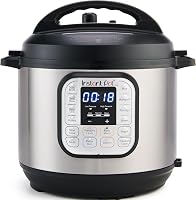
The Instant Pot Duo has 13 one-touch programs and sauté for starting a pot of beans with onion and garlic. Its 6-quart stainless pot has a tri-ply base for searing before the lid goes on.
The Easy-Release switch handles the final steam release. Our overview of the best pressure cookers compares it with other models.
The Instant Pot Pro adds sous vide and bake to its 10 cooking functions and 28 smart programs. Its gentle steam release switch and diffusing cover keep the venting quiet.
The dishwasher-safe lid and inner pot simplify cleanup, and the extra sealing ring is useful when you cook beans often.
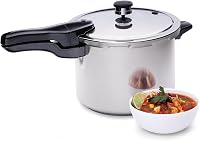
The Presto 01362 works on gas, smooth-top and induction ranges. Its pressure regulator holds the proper cooking pressure automatically, so you don't adjust the burner once the pot is up to pressure.
A cover lock indicator stops the lid opening until pressure drops. The 64-page instruction and recipe book covers beans and more.
Which type should you choose for beans?
Pick an electric cooker if you want set-and-forget programs and a release switch. Pick a stovetop cooker if you like a pot on the burner.
Either way, follow the same time table and natural release.
How do you know when beans are done?
Taste one bean after the natural release. It should crush easily between your fingers with no chalky center.
If it holds a hard core, cook 2 to 3 more minutes under pressure.
The time tables are a starting point. Bean size, age and your altitude all shift the result.
Fresh beans from this year's crop cook faster than beans that have sat in the pantry for years.
Add a little salt to the cooking water for flavor. Hold tomatoes, vinegar and lemon until after the beans are tender.
Does soaking time change the cook time?
Yes. Soaked beans cook in roughly a third of the time of unsoaked beans.
A long soak also gives a more even texture and fewer split skins.
Soak 8 to 12 hours in cold water, or use a quick soak: cover the beans with water, boil 2 minutes and let them stand 1 hour. Drain and rinse before cooking.
If you soak longer than 12 hours, change the water once to keep it fresh.
How should you store cooked beans?
Cool cooked beans quickly and refrigerate them in their cooking liquid. They keep about 4 to 5 days in a sealed container.
The liquid stops them drying out.
Freeze beans in 2-cup portions for up to 3 months. Thaw overnight in the fridge and reheat on the stove or in the microwave.
Use frozen beans straight in soups and stews without thawing.
Does altitude change the time for beans in a pressure cooker?
Yes, beans need more time at higher altitude. Add about 5 percent to the cook time for every 1,000 feet above sea level.
At 5,000 feet, a 25-minute unsoaked pinto batch becomes closer to 31 minutes.
The reason is the lower boiling point of water. The cooker still builds pressure, but the working temperature is a little lower than at sea level.
Use your cooker's altitude notes when they give specific guidance. Check the beans by taste before serving.
How long to cook beans in a pressure cooker: the quick rule
Soak for speed or skip the soak for convenience, then cook 6 to 12 minutes soaked or 25 to 45 minutes unsoaked, and always use a natural release.
Pick the Instant Pot Duo for simple bean batches with one-touch programs. Choose the Instant Pot Pro if you want more programs and an extra sealing ring.
The Presto stovetop cooker suits cooks who prefer a pot on the burner. Check your pressure cooker gasket for cracks before a long cook, since a worn seal lets steam escape and slows the whole process.
Keep the pot half full at most, use enough water, and let the pressure fall on its own.
Frequently asked questions
How long do you pressure cook beans that were not soaked?
Unsoaked beans usually need 25 to 45 minutes at high pressure, depending on the type. Black beans take about 20 to 25 minutes, pinto beans about 25 to 30, and chickpeas or kidney beans closer to 35 to 45.
Why do beans take longer at high altitude?
Water boils at a lower temperature as altitude rises, so the cooker reaches its working pressure more slowly and food needs more time. Add roughly 5 percent to the cook time for every 1,000 feet above sea level, and follow your cooker's altitude guidance.
Can you open the lid right away after cooking beans?
No. Beans release a lot of steam and starchy foam, so let the pressure fall naturally for 10 to 15 minutes before turning the release valve.
Quick release can spray starchy water through the vent and leave the beans firm.
Should you salt beans before pressure cooking?
Yes, a modest amount of salt in the cooking water is fine and seasons the beans through. Add acidic ingredients like tomatoes or lemon later, because acid slows softening and can keep beans firm even after a long cook.
Do you need to soak beans before pressure cooking them?
Soaking is optional. Soaked beans cook faster and more evenly, while unsoaked beans save planning time but need a longer cook and more water.
Many cooks soak overnight for the shorter, more predictable time.