How Much Does a Pressure Cooker Cost?
A pressure cooker costs from about 40 dollars to 300 dollars, depending on type. Stovetop models usually sit in the lower half of that range, while electric multi-cookers with more functions land in the middle to upper part.
On this page (8 sections)
- How much does a pressure cooker cost by type?
- What does a budget pressure cooker get you?
- What do mid-range electric cookers add?
- What does a premium pressure cooker pay for?
- How much does size and capacity affect the price?
- What hidden costs should you plan for?
- How do you keep the cost down over time?
- Is a pressure cooker worth the cost?
A pressure cooker costs about 40 dollars to 300 dollars, with most shoppers spending in the middle of that range. Your total depends on whether you want a stovetop pot or an electric multi-cooker, and on how many preset programs you need.
The short answer is that type sets the floor and features set the ceiling. A simple stovetop model keeps the outlay low, while an electric cooker with a touch panel and a dozen presets pushes the number up.
Here is how the cost of a pressure cooker breaks down before you buy.
How much does a pressure cooker cost by type?
Stovetop models cost less than electric ones of the same size, and electric multi-cookers cost more because you pay for the heating element and controls. That split is the single biggest factor in what you'll spend.
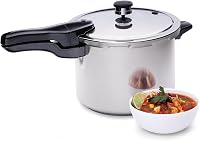
A stovetop pressure cooker is a pot with a locking lid and a regulator. It works on gas, electric coil, smooth-top and induction ranges, and the only power it needs is your stove.
Fewer parts means a lower price and less to break, though you do the heat management yourself.
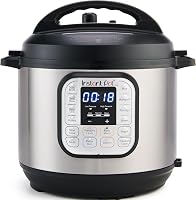
An electric pressure cooker plugs into the wall and runs on its own timer. It adds a control panel, sensors, a steam release switch and preset programs.
You pay for that convenience, and for functions like slow cooking, rice, steaming and yogurt that a plain stovetop pot cannot do.
Within each type, price tracks capacity and build. A 6-quart pot costs less than a 10-quart one in the same line.
Stainless steel and ceramic coatings cost more than basic aluminum, and a dishwasher-safe inner pot or lid adds a little more.
What does a budget pressure cooker get you?
Budget models cover the core job for the least money. A basic stovetop cooker or an entry electric model will pressure cook beans, stews, rice and tough cuts well.
At this end you get a working pot with a locking lid and a pressure regulator or preset programs. You may give up a delay timer, a keep-warm mode and some preset buttons.
Build is simpler, often with fewer safety interlocks and a shorter warranty.
Budget stovetop models still handle the main techniques. You brown meat in the pot, lock the lid, bring it to pressure and time the cook.
The savings come from skipping electronics, not from skipping the pressure cooking itself.
This tier suits a first pressure cooker, a small kitchen or a cook who wants one pot for beans and braises. It also suits anyone who already owns a slow cooker and only needs pressure for speed.
If you're unsure which type fits your cooking, our guide to how does a pressure cooker work explains the mechanics in plain terms.
What do mid-range electric cookers add?
Mid-range electric cookers add touch controls, presets, a delay timer and easier venting for a modest step up in cost. This is where most buyers land.
The extra money buys you one-touch programs for soup, rice, beans, meat and yogurt. A delay timer lets you load the pot in the morning and have dinner ready later.
A dedicated steam release switch makes venting safer and simpler than turning a regulator by hand.
You also get a better inner pot at this tier. Stainless steel with a layered base sears and sautés well, and ceramic coatings clean up more easily.
The pot often moves from browning to pressure cooking without a second pan.
Mid-range models usually carry more safety features too. Lid locks that refuse to open under pressure, overheat protection and a pressure indicator are common.
These are the details that separate a comfortable everyday cooker from a stripped-down one.
What does a premium pressure cooker pay for?
Premium models cost more for larger capacity, more functions, better materials and longer warranties. You pay for range and finish, not for a different cooking method.
At the top end you find bigger pots that feed a family or batch cook. You also find more cooking modes, from sous vide to fermenting, and finer control over pressure and temperature.
The housing and inner pot move to heavier stainless steel or a durable ceramic coat.
A longer warranty is part of the premium price. It reflects a sturdier build and gives you more coverage if a part fails.
Some premium cookers also ship with a recipe book and accessories like a steam rack or extra sealing ring.
Premium is worth it if you'll use several functions often and want one appliance to replace a slow cooker, rice cooker and steamer. If you mainly pressure cook beans and stews, a mid-range model does the same job for less.
Our roundup of the best pressure cooker picks compare these tiers side by side.
How much does size and capacity affect the price?
A size step adds a modest amount, not a large jump. Going from 6 to 8 quarts in the same line costs less than switching brands or moving from stovetop to electric.
A 6-quart cooker is the most common size and suits most households of two to four. An 8-quart pot costs a little more and handles larger batches or a whole chicken.
A 3-quart mini is cheaper and suits singles or side dishes.
Capacity also changes what you can cook. A larger pot needs more liquid to reach pressure and takes a bit longer to heat.
That's why size is a use decision as much as a price one. Our guide to how much water to add to a pressure cooker covers the liquid minimums for each size.
Don't buy the biggest pot just because it costs only slightly more. A pot that's too large for your meals wastes energy and takes up cabinet space.
Pick the size that matches how many people you feed most nights.
What hidden costs should you plan for?
Plan for a replacement sealing ring and overpressure plug each year, plus optional accessories. These small parts are the main ongoing cost after the purchase.
The sealing ring is the part that wears first. It softens and stretches with use, and a worn ring lets steam escape so the pot struggles to reach pressure.
Rings cost little and are easy to swap, so keep a spare.
An overpressure plug is a small safety part that also wears over time. Replace it on the schedule in your manual.
Neither part is expensive, but replacing them keeps the cooker working safely.
Optional extras add up if you buy them all. A steamer basket, a second inner pot or a glass lid each costs extra.
Buy only what you'll use; a second inner pot is handy for back-to-back recipes, but a glass lid is optional.
How do you keep the cost down over time?
Clean the pot and lid after each use and store the lid loosely so the ring isn't compressed. Care is the cheapest way to avoid early replacements.
Our how to use a pressure cooker walkthrough covers the steps from loading to venting.
Wash the inner pot by hand or in the dishwasher if the maker allows it. Remove the sealing ring and overpressure plug from the lid before dishwashing, and hand wash those parts.
Wipe the rim and the pressure valve so residue doesn't build up.
Store the lid upside down on the pot or off to the side. Leaving it locked down for months flattens the ring and shortens its life.
A dry, open store keeps the gasket in shape between cooks.
Check the vent and float valve for food debris before each cook. A blocked vent is a safety issue and can also make the pot behave erratically.
A few minutes of care after each meal is all it takes.
Is a pressure cooker worth the cost?
Yes, for anyone who cooks beans, stews or tough cuts often. A pressure cooker cooks many foods far faster than simmering or slow cooking, and it tenderizes economical cuts.
The saving in time and cheaper meat usually covers the outlay.
The value depends on how often you'll use it. A once-a-month cook may not justify a premium electric model.
A weekly bean, chili or braise habit gets the most from any tier, and a basic stovetop pot delivers most of the benefit for the least money.
Decide by type first, then size, then features. Pick a stovetop model if you want the lowest cost and already manage heat on your stove.
Pick a mid-range electric cooker if you want presets and hands-off cooking. Pick a premium model only if you'll use the extra modes and want the longer warranty.
Whatever tier you choose, the running cost stays low. A ring and plug each year are the only real upkeep, and care stretches those further.
So when you ask how much a pressure cooker costs, the honest answer is that the pot is the main spend and everything after it is small.
Frequently asked questions
Is a stovetop pressure cooker cheaper than an electric one?
Usually yes. A basic stovetop model costs less than an electric multi-cooker of the same capacity, because it has no heating element, display or touch controls.
You pay for the extra electronics and preset programs when you buy electric.
Does a bigger pressure cooker cost much more?
A size step usually adds a modest amount, not a large jump. Going from 6 to 8 quarts in the same line costs less than switching brands or moving from stovetop to electric.
The type and features matter more than capacity alone.
What do I get for a mid-range price?
Mid-range models add touch controls, one-touch presets, a delay timer and easier steam release. You also get a stainless steel or ceramic-coated inner pot instead of a basic aluminum one.
These features are what separate an entry electric cooker from a comfortable one.
Are replacement parts expensive?
No. Sealing rings, overpressure plugs and steam release parts are small, low-cost items you replace every year or so.
Budget a little each year for a ring and plug, and keep a spare ring on hand so you are not stuck mid-recipe.