How to Cook a Roast in a Pressure Cooker
To cook a roast in a pressure cooker, sear it, add about 1 cup of liquid, and cook under pressure for 20 to 25 minutes per pound with a natural release. A 3-pound chuck roast lands around 60 to 75 minutes, then it rests and slices.
On this page (10 sections)
- What cut of roast works best in a pressure cooker?
- Why sear the roast before it goes in?
- How much liquid goes in with a roast?
- How long do you pressure cook a roast?
- Should you use a natural release or a quick release?
- Can you add vegetables and potatoes to the pot?
- How do you make gravy from the cooking liquid?
- Why is my roast tough, and how do I fix it?
- Which pressure cooker suits roast cooking?
- How do you know when the roast is done?
To cook a roast in a pressure cooker, sear the meat first, add about 1 cup of liquid, and cook under pressure for 20 to 25 minutes per pound. Finish with a natural release, rest the roast, and slice against the grain.
That timing is for a tough cut like chuck or bottom round, the kind that falls apart after a long braise. The pressure cooker does the same work in about half the time.
What cut of roast works best in a pressure cooker?
Chuck roast is the best cut for pressure cooking because its tough fibers break down into a tender, pull-apart result. Bottom round, rump roast, and brisket also work well.
Look for a roast with good marbling and a thick, even shape. A 3-pound roast fits a 6-quart cooker with room for vegetables around it.
Avoid prime rib, tenderloin, and other premium cuts. They're already tender, and pressure cooking pushes them past medium-rare into well done.
A well-marbled chuck also makes its own rich liquid as it cooks. That liquid becomes the base for gravy, which is why the braise tastes better than the sum of its parts.
Why sear the roast before it goes in?
Searing builds flavor before the pressure lid goes on. It browns the surface and renders some fat, which gives the finished roast a deeper taste and color.
Use the sauté function on an electric cooker or the open pot on a stovetop model. Pat the roast dry, season it well, and brown each side for 3 to 4 minutes without moving it.
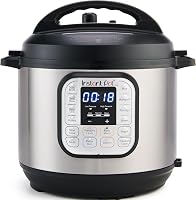
The Instant Pot Duo has a stainless steel inner pot with a tri-ply bottom, which heats evenly for searing. The Instant Pot Pro offers the same sauté function with 10 cooking modes in all.
How much liquid goes in with a roast?
Use about 1 cup of liquid for a 3-pound roast, and never less than 1/2 cup in a 6-quart electric cooker. Steam needs that liquid to build pressure and to keep the meat from scorching.
Beef broth is the classic choice. A splash of red wine, Worcestershire sauce, or a spoon of tomato paste adds depth without adding much volume.
The liquid should come partway up the roast, not cover it. Too much liquid dilutes the flavor; too little lets the bottom scorch before the meat is done.
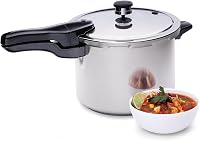
On a stovetop model like the Presto 01362, use the same ratio. Its pressure regulator holds the right pressure automatically, so you can focus on the liquid and timing.
How long do you pressure cook a roast?
Cook a tough roast for 20 to 25 minutes per pound at high pressure. That makes a 3-pound chuck about 60 to 75 minutes, and a 4-pound roast about 80 to 100 minutes.
| Roast size | Cook time at high pressure |
|---|---|
| 2 lb | 40–50 min |
| 3 lb | 60–75 min |
| 4 lb | 80–100 min |
| 5 lb | 100–125 min |
These times assume the roast is cut into one piece at room temperature. Add 10 to 15 minutes if it comes straight from the fridge.
The goal is a roast that shreds with a fork. If it still resists, close the lid and cook for another 10 minutes under pressure.
Larger roasts have a limit. A 6-quart cooker holds about a 4- to 5-pound roast comfortably, so cut a bigger one in half or use a larger model.
Should you use a natural release or a quick release?
Use a full natural release for a roast. Let the pressure drop on its own for 15 to 20 minutes before you open the vent.
A quick release pulls steam out fast and can shock the meat, which tightens the fibers. A natural release keeps the roast in a gentle, cooling environment as the pressure falls.
The Instant Pot Duo has an Easy-Release steam switch for the times you do need to vent. The Instant Pot Pro uses a gentle steam release switch and a diffusing cover, so the release is quieter.
Can you add vegetables and potatoes to the pot?
Yes, and they cook alongside the roast in the same liquid. Cut carrots into 2-inch pieces, halve small potatoes, and quarter an onion.
Lay the vegetables in the bottom and around the roast, not on top of it. They need contact with the hot liquid and steam to soften fully.
A 3-pound roast with vegetables uses the same timing because the vegetables soften long before the meat is done. Very small pieces can turn to mush, so keep the chunks chunky.
If you want a firmer texture, add quick-cooking vegetables like green beans in the last 5 minutes. The pressure has to come back up, so keep those additions simple.
How do you make gravy from the cooking liquid?
Strain the liquid, skim the fat, and thicken it on the sauté setting. This is the step that turns a good roast into a great dinner.
Pour the liquid through a strainer into a bowl and let it settle. Spoon off the fat that rises to the top, then return the liquid to the pot.
Whisk 2 tablespoons of cornstarch or flour into a little cold water, stir it in, and simmer until it coats a spoon. Season with salt and pepper.
The Duo and Pro both sauté, so you can make gravy in the same pot without dirtying another pan. On the Presto, thicken the gravy in a separate saucepan on the stove.
Why is my roast tough, and how do I fix it?
A tough roast is usually undercooked or was released too quickly. Tough cuts need the full 20 to 25 minutes per pound to break down their fibers.
If the meat pulls apart with a fork but the center is dry, it cooked too long. If it resists and feels tight, give it 10 more minutes under pressure.
A natural release matters here too. Venting fast leaves the meat firm in the middle even when the outside is soft.
For a deeper look at the mechanics, our guide on how does a pressure cooker work explains how pressure and steam do the tenderizing.
Which pressure cooker suits roast cooking?
A 6-quart electric cooker is the easiest choice for most people. It sears, pressure cooks, and makes gravy in one pot, and the 6-quart size fits a family roast with vegetables.
The Instant Pot Duo is the pick for most kitchens. It has 7 functions, 13 one-touch programs, and a tri-ply stainless inner pot for searing.
Its Easy-Release switch makes the venting simple.
The Instant Pot Pro adds 10 functions and 28 programs, plus a dishwasher-safe lid and inner pot. It's the choice if you want sous vide, bake, and sterilize along with pressure cooking.
The Presto 01362 suits stovetop cooks. It works on regular, smooth-top, and induction ranges, has a cover lock indicator, and comes with a 64-page instruction and recipe book.
Before your first cook, walk through our how to use a pressure cooker steps so the lid, valve, and release are second nature.
How do you know when the roast is done?
Check that the meat shreds easily with two forks, and use a thermometer if you want a number. A tough cut like chuck is done around 200°F to 205°F.
Let the roast rest for 10 minutes before slicing. Resting lets the juices settle, so the meat stays moist instead of running onto the board.
Slice against the grain for the most tender bite. If the roast is fork-tender, you can also pull it into chunks for sandwiches or tacos.
Store leftovers in the fridge within 2 hours, and reheat them gently with a splash of the cooking liquid. The same slow braise that made the roast tender can dry it out on a second high heat.
If you're still choosing a cooker, our guide to the best pressure cooker compares the models that handle a roast well. And once you've mastered beef, our method for how to cook eggs in pressure cooker shows how quick the same pot can be.
For anyone learning how to cook roast in pressure cooker style, the routine is simple: sear, add about a cup of liquid, cook 20 to 25 minutes per pound, and let the pressure fall on its own. Pick a 6-quart electric model for one-pot ease, or a stovetop cooker if you already love cooking on gas or induction.
Frequently asked questions
Can you put a frozen roast in a pressure cooker?
Yes, but add at least 15 minutes to the cook time and use a natural release. A frozen roast cooks unevenly, so check the center with a thermometer before serving.
Thawing first gives more even results and a browner crust.
What liquid is best for a pot roast?
Beef broth gives the deepest flavor, and a splash of red wine or Worcestershire adds depth. Water works in a pinch but tastes flat.
Use about 1 cup for a 3-pound roast, enough to create steam without drowning the meat.
Why did my roast come out tough?
Tough meat usually means it was undercooked or released too fast. Tough cuts like chuck need 20 to 25 minutes per pound to break down.
A quick release also shocks the meat, so let the pressure fall on its own for at least 15 minutes.
Can you cook potatoes and carrots with the roast?
Yes, and they cook in the same pot. Cut them into 1 to 2 inch chunks and lay them around the roast, not on top of it.
A 3-pound roast with vegetables needs the same timing because the vegetables soften in the steam.