How Long to Cook Chickpeas in a Pressure Cooker
Soaked chickpeas need 12 to 15 minutes and unsoaked chickpeas need 35 to 40 minutes at high pressure, with a natural release at the end. Always cook them in plenty of water and never fill the pot past its maximum line.
On this page (10 sections)
- How long to cook chickpeas in a pressure cooker?
- How do you pressure cook chickpeas step by step?
- How much water do chickpeas need?
- Should you soak chickpeas before pressure cooking?
- What happens if you release the pressure too fast?
- Which pressure cookers handle chickpeas well?
- How do you know when chickpeas are fully cooked?
- What should you do after the chickpeas are cooked?
- How do chickpeas behave in a stovetop versus an electric cooker?
- How long to cook chickpeas in a pressure cooker: the final answer
Soaked chickpeas need 12 to 15 minutes and unsoaked chickpeas need 35 to 40 minutes at high pressure, with a natural release at the end. Always cook them in plenty of water and never fill the pot past its maximum line.
The exact time you choose within those ranges depends on how you plan to use them. Firmer chickpeas hold up in salads and curries, while softer ones mash easily for hummus and dips.
How long to cook chickpeas in a pressure cooker?
Use 12 to 15 minutes for soaked chickpeas and 35 to 40 minutes for dry chickpeas, both at high pressure. These times assume a 6-quart electric cooker working at its normal high setting.
Soaked chickpeas have already absorbed water, so they soften much faster. Aim for the low end of the range when you want beans that keep their shape, and the top end when you want a softer bite.
Dry chickpeas need the longer cook because the water has to work all the way to the center. A few extra minutes past 40 pushes them toward mush, which is fine for hummus but not for a salad.
Smaller chickpeas cook faster than large ones. Taste one at the low end of the range before you commit to the full time, especially with kala chana, the smaller dark variety.
How do you pressure cook chickpeas step by step?
Rinse, add water, cook at high pressure, then release naturally. This order works in any electric or stovetop pressure cooker, and the steps below take you through it.
- Rinse the chickpeas and pick out any stones or shriveled beans.
- Soak them for 8 to 12 hours if you want the faster cook, then drain.
- Add the chickpeas and water to the pot, covering them by at least 2 inches.
- Lock the lid and set high pressure for 12 to 15 minutes (soaked) or 35 to 40 minutes (dry).
- Let the pressure drop naturally for 10 to 15 minutes before opening the valve.
- Check the texture, then season and use them as your recipe directs.
The natural release matters more than most steps. Opening the valve fast can split skins and leave the centers uneven, so let the pot sit and settle first.
If you're new to the appliance, our walkthrough on how to use a pressure cooker covers the lid, valve and release basics in plain steps.
How much water do chickpeas need?
Cover the chickpeas by at least 2 inches of water, which works out to roughly 3 to 4 cups of water for every 1 cup of dry chickpeas. The water line should always sit well below the pot's maximum fill mark.
Chickpeas swell to about two or three times their dry size. That growth needs room, so leave headroom above the water and never fill the pot more than two-thirds full when beans are involved.
Beans also foam as they cook. Some cooks add a teaspoon of oil to reduce the foam, though a properly filled pot rarely needs it.
Too little water leaves beans sitting above the surface and cooking unevenly. Too much water is less of a problem, as long as you stay under the fill line.
Should you soak chickpeas before pressure cooking?
Soaking is optional, but it shortens the cook and gives a more even texture. Skip it when you want chickpeas on the table in under an hour.
A long soak in cool water takes 8 to 12 hours, which means starting the night before. Drain the soaking water and rinse the beans before they go in the pot.
A quick soak works when you haven't planned ahead. Cook the rinsed dry chickpeas at high pressure for 1 minute, then leave them in the closed pot for 1 hour before draining.
Soaked chickpeas cook in 12 to 15 minutes, so the total time from a quick soak is still shorter than cooking them fully dry. The trade is a little more planning.
What happens if you release the pressure too fast?
A quick release can split the skins and leave the centers firm, so natural release is the safer choice for chickpeas. The beans keep cooking as the pot cools, which finishes the centers gently.
During a natural release, the pot loses pressure on its own over about 10 to 15 minutes. Leave the valve in its sealed position and don't move the pot.
After that rest, turn the valve to vent any remaining pressure. The float valve drops when it's safe, and only then should you open the lid.
Quick release is fine for vegetables and quick-cooking grains. Beans and chickpeas are dense enough that the slower drop makes a real difference in texture.
Which pressure cookers handle chickpeas well?
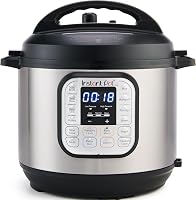
A 6-quart electric cooker is the practical size for a 1-pound bag of dried chickpeas. All three picks below reach high pressure and have a natural-release option, which is the one feature this job really needs.
The Instant Pot Duo 6 Qt holds 5.68 liters and has a stainless steel (18/8) inner pot with a tri-ply bottom. Its pressure cook, sauté and keep warm settings cover the whole job from dry beans to seasoned chickpeas.
Instant Pot says it cooks up to 70% faster than slow cooking methods.
The Cosori 6 Qt Pressure Cooker includes a Bean/Grain program, which takes the guesswork out of the pressure setting. Its Seal/Vent button sits away from the steam release valve, and the vent points backward at 30 degrees to keep steam away from your hand.
The ceramic-coated inner pot is dishwasher safe.
The Instant Pot Duo Plus 6 Qt WhisperQuiet adds sous vide and cake programs to the usual pressure and steam settings. Its one-touch steam release button and quiet venting suit a small kitchen.
It ships with a steam rack and two extra sealing rings, which helps when you cook beans often and the ring picks up their smell.
Our score weighs specs, features and buyer feedback against what you're shopping for. The Duo leads here because its 13 one-touch programs and simple steam switch cover soaked and dry chickpeas without extra settings to learn.
Compare the full field in our guide to the best pressure cooker picks.
How do you know when chickpeas are fully cooked?
A fully cooked chickpea is tender all the way through and gives slightly when you press it. It should hold its shape without turning to paste between your fingers.
Bite into one from the top of the pot rather than the bottom, since heat and water reach the surface first. If the center is chalky, lock the lid and cook for 3 to 5 more minutes.
For hummus and dips, cook a few minutes longer until the beans crush easily with a spoon. For salads and roasted chickpea snacks, stop at the low end so the skins stay intact.
Older dried chickpeas can take longer than the ranges above. If a batch stays hard after the full time, the beans are likely past their prime rather than undercooked.
What should you do after the chickpeas are cooked?
Drain the cooking water, then use the chickpeas right away or store them for later. The liquid itself is useful, so keep a cup if you plan to make hummus or soup.
Cooked chickpeas keep in a sealed container in the fridge for about 4 days. Spread them on a tray to cool first, then pack them so they chill evenly.
Freeze cooked chickpeas in 1-cup portions for up to 6 months. Pat them dry before freezing if you plan to roast them later.
Season after cooking, not during. Acidic ingredients like tomatoes and lemon slow softening, so add them once the beans are tender.
Our guide to how long to cook beans in a pressure cooker covers the same idea for other dried beans.
How do chickpeas behave in a stovetop versus an electric cooker?
Electric cookers hold a steady high pressure and release slowly on their own, while stovetop models need you to watch the jiggler and time the release yourself. Both reach the same result, but the routine differs.
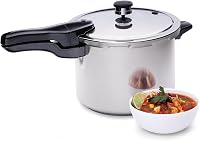
With a stovetop cooker, bring the pot to pressure, lower the heat to keep a gentle rock, and start timing. Turn off the burner at the end and let the pot sit before you move the weight.
Electric models like the three above handle the pressure and release with programs. You still choose the minutes and the release type, so the timing ranges in this guide apply to both kinds.
Whichever you use, keep the vent clear of foam and stay nearby for the first few minutes of cooking. If your cooker is new to you, our explainer on how does a pressure cooker work shows why the sealed steam is what makes the fast cook possible.
How long to cook chickpeas in a pressure cooker: the final answer
Use 12 to 15 minutes for soaked chickpeas and 35 to 40 minutes for dry ones, then let the pressure drop naturally. That single rule covers most batches, and small tweaks by texture handle the rest.
Start with soaked chickpeas when you have the time, since the shorter cook gives you more control and an even bite. Keep a 1-pound bag of dry chickpeas on hand for days when you don't plan ahead, and cook them at the top of the longer range.
If you're still choosing an appliance, the Instant Pot Duo 6 Qt covers chickpeas and everyday meals without extra settings. Readers who cook beans often may prefer the Cosori 6 Qt for its Bean/Grain program and easy-clean ceramic pot.
Whichever pot you use, write down the time and texture of your first batch and adjust from there.
Frequently asked questions
Should chickpeas be released quickly or naturally?
Use a natural release for chickpeas. Let the pot sit off the heat for 10 to 15 minutes so the pressure drops on its own, then open the valve.
A quick release can split the skins and leave the centers firm.
Can you overcook chickpeas in a pressure cooker?
Yes. A few extra minutes turns firm chickpeas into soft ones that break apart in hummus but turn mushy in salads.
Start with 12 minutes for soaked chickpeas and 35 for dry, then adjust the next batch.
Why are my chickpeas still hard after pressure cooking?
Hard centers usually mean too little water, old dried chickpeas or a very short cook. Chickpeas also stay firm in acidic liquid, so add tomatoes or lemon only after the beans are tender.