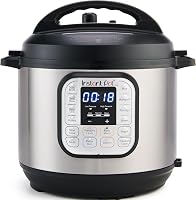
How to Use a Ninja Multi Cooker
Using a Ninja multi cooker comes down to three choices: the right lid, the right function and the right release. Add the pressure lid for pressure cooking, steaming and rice, use the glass lid for slow cooking and leave it off while searing/sautéing, and match the release method to the food.
On this page (8 sections)
- What do you need to know before your first cook?
- Which lid and function do you choose?
- How do you pressure cook and release safely?
- How do you slow cook and sear in a Ninja multi cooker?
- How do you steam and bake with the open-pot functions?
- How do you clean and care for the pot and lid?
- What mistakes should you avoid?
- Which Ninja multi cooker fits how you cook?
Using a Ninja multi cooker comes down to three choices: the right lid, the right function and the right release. Add the pressure lid for pressure cooking, steaming and rice, use the glass lid for slow cooking and leave it off while searing/sautéing, and match the release method to the food.
The controls look busier than they are. Once you know which lid goes with which button and how to handle pressure safely, the cooker becomes a one-pot kitchen.
This guide walks through the basics so you can use a Ninja multi cooker without guessing at the panel.
What do you need to know before your first cook?
Read the quick start guide, wash the removable pot and check the seals before you plug anything in. A first cook with a simple recipe teaches you the controls without risking an expensive cut of meat.
The Ninja HyperHeat ships with a quick start guide, and the PossibleCooker PRO ships with a chef-curated recipe guide. Use those first, since they match the functions each cooker was built around.
If you're still working out what the appliance can do, our explainer on what a multi cooker is covers the categories and their limits.
Check that the float valve moves freely and that the sealing ring sits flat in the lid. A ring that's twisted or sitting in a groove wrong will leak steam later.
Set the cooker on a dry, level counter with space around the steam vent.
Start with something short and forgiving. Steamed vegetables or a batch of rice lets you practice locking the lid, choosing a function and releasing pressure.
Save dried beans and big roasts for your second or third cook.
Which lid and function do you choose?
Pressure cooking, rice and yogurt need the sealed pressure lid; slow cook, sear, braise, bake and keep warm run in the open pot. The button you press decides the lid you need.
On the Ninja HyperHeat PC201SP, the pressure cooker lid locks on for the 9-in-1 functions, including pressure cook, rice, steam, sous vide and yogurt. The PossibleCooker PRO MC1001 is the open-pot style with 8 functions: slow cook, sear/sauté, steam, keep warm, sous vide, braise, bake and proof.
It ships with a glass cooking lid rather than a pressure lid. The HyperHeat includes the pressure lid; a glass lid is not in the box.
Check which model you own before following any recipe.
Lock the pressure lid until the lid handle lines up with the marker, then turn the release valve to Sealed. For open-pot cooking, put the glass lid on to hold in heat or leave it off when you need to stir and brown.
How do you pressure cook and release safely?
Add liquid, keep food below the max line, lock the pressure lid and turn the valve to Sealed before you press a pressure function. When the cook ends, choose natural or quick release according to the recipe.
The pressure lid needs enough liquid to build steam. Stay at or below the maximum fill line, since rice and beans expand as they cook.
Lock the lid, set the release valve to Sealed, then choose Pressure Cook or the recipe's function and set the time.
How long should you release pressure?
Follow the recipe's release type: natural release waits for the pin to drop by itself, and quick release vents steam in a controlled stream.
Natural release suits stews, large cuts of meat, beans and anything starchy. Turn the cooker off and let the float valve drop on its own.
Quick release works for vegetables and grains that would overcook in the extra minutes. Turn the valve to Vent and stand back from the steam.
Never force the lid open while the pin is still up.
What about steam, rice and sous vide?
Rice on the HyperHeat uses the pressure lid and a measured amount of water, while sous vide needs the food sealed in a bag and fully submerged. Ninja says white rice can cook in as little as 8 minutes and quinoa in about 5 minutes on the HyperHeat, not counting time to build and release pressure.
For steam, a rack keeps food out of the water so it cooks in steam rather than boiling. On the open-pot PossibleCooker, steam runs in the open pot; only pressure models use the sealed lid for steam.
The Sugaroom rack fits 6 qt and 8 qt electric pressure cookers, stands on 1 inch legs and has 5.2 inch silicone handles. That handle length matters when you lift a whole chicken or a cake pan out of a hot pot without reaching for tongs.
How do you slow cook and sear in a Ninja multi cooker?
Sear in the open pot first, then switch to Slow Cook with the glass lid on. This gives you browned meat and a slow braise without moving anything to the stovetop.
Press Sear/Sauté and let the pot heat before adding oil. The HyperHeat has a wide 9.5 inch cooking surface and a 1200-watt heating system, so browning happens quickly.
Brown meat in batches so the surface stays hot and the pieces sear rather than steam. Add your liquid and aromatics, put the glass lid on, then choose Slow Cook and set the time.
The PossibleCooker PRO is built around this open-pot style. Its Triple Fusion Heat uses bottom, side and steam heating elements, and the nonstick pot is oven safe to 500°F.
Sear on the base, slow cook in the same pot, then move the pot to the oven for a crisp finish.
Keep the liquid level sensible for slow cooking. Too much leaves you with soup, and too little dries out the food over several hours.
Check the pot toward the end of the time and add hot liquid if it looks dry.
How do you steam and bake with the open-pot functions?
Steam in the open pot with a rack and a splash of water, and bake in the oven-safe pot or on the cooker's bake setting. These functions expand what one appliance can do without a stovetop or a full oven.
For open-pot steaming, put the rack in the pot, add water below the rack and cover with the glass lid. Vegetables, dumplings and fish cook quickly this way.
The PossibleCooker PRO's oven-safe pot can go into a 500°F oven, so you can finish a braise with a crisp top or bake in the pot itself. Proof gives bread dough a warm, steady place to rise.
Sous vide runs on both models. Seal the food in a bag, weigh it down so it stays under water, and set the recipe's temperature.
Plan extra time, since it's a long, gentle cook.
How do you clean and care for the pot and lid?
Let the cooker cool, then wash the removable pot and lid by hand. Wipe the base with a damp cloth and never dunk it in water.
The HyperHeat's ceramic nonstick pot is PFAS-free and wipes clean after high-heat cooking. The PossibleCooker PRO's nonstick pot also cleans easily.
Use soft sponges and avoid metal scouring pads, which can scratch the coating. The Sugaroom rack is stainless steel 304 and dishwasher safe.
Remove and wash the sealing ring after pressure cooking. Food smells can cling to the ring, so air-dry it fully and store the lid upside down on the pot.
Check the ring for cracks and replace it when worn. Let the pot cool before washing, since a hot pot plunged into cold water can warp.
If you use the pot in the oven, use oven mitts and set it on a heat-safe surface.
What mistakes should you avoid?
The common mistakes are overfilling the pot, using the wrong lid and skipping the release step. Each one causes leaks, undercooked food or a lid that won't open.
Don't fill past the maximum line, especially with rice, beans or anything that foams. Leave headroom so steam has space to build.
Never pressure cook with the glass lid on, since only the sealed pressure lid holds pressure safely. Don't open the lid early, and don't lean over the steam vent during quick release.
Don't move the cooker by the lid handle or carry a hot pot without mitts. The HyperHeat's SimpliServe pot goes from cooker to table, but it's still hot, so set it on a trivet.
If your cooker won't build pressure, check the sealing ring, the float valve and the release valve position first. A ring out of place or a valve left on Vent is the usual cause.
For another brand's controls, our guide on how to use a Bella electric pressure cooker covers a different panel layout.
Which Ninja multi cooker fits how you cook?
Pick the HyperHeat PC201SP if you want pressure cooking plus slow cooking in one base, and pick the PossibleCooker PRO MC1001 if you mainly slow cook, sear and bake. The right model depends on which functions you'll actually use.
The HyperHeat PC201SP gives you a sealed pressure lid for pressure cook, steam, rice and yogurt, plus an open pot for searing and slow cooking. Its 6.5 qt capacity fits up to a 4 lb chicken or a 5 lb roast and feeds 8 to 10 people.
The removable SimpliServe pot goes to the table, so you serve without a second dish. If your meals center on quick pressure cooking and weeknight rice, learn this model first.
The PossibleCooker PRO MC1001 suits slow cooking and searing. Its 8.5 qt pot fits a full rack of ribs or a 9 lb brisket and feeds up to 20 people.
The oven-safe pot handles the cooker-to-oven-to-table path for crisping a braise. Add the Sugaroom rack for steam and pot-in-pot cooks in either model.
For family sizes in between, browse 6 quart slow cookers and 8 quart slow cookers to compare capacities against your usual batch size. Practice the basics on one recipe: liquid, lid, function and release.
Once those steps are automatic, you'll get steady results from one pot.
Frequently asked questions
How do you use a Ninja multi cooker for the first time?
Wash the removable pot, fill it within the maximum line, and lock the correct lid on before choosing a function. Start with a simple recipe such as steamed vegetables or rice so you learn the controls and the release before cooking a long braise or a dried-bean dish.
Do you need the pressure lid for every Ninja multi cooker function?
No. Pressure cooking, rice and yogurt need the sealed pressure lid locked in place.
Slow cook, sear and sauté, braise, bake and keep warm run in the open pot with the glass lid on or off, depending on the function and the cooker.
How long should you let a Ninja multi cooker release pressure?
Follow the recipe's release type: natural release waits for the pin to drop on its own, which can take 10 to 20 minutes or longer for starchy or large cuts. Quick release is a controlled vent, and you should stand back from the steam before opening the lid.
Can you open a Ninja multi cooker while it is under pressure?
No. The lid stays locked while pressure is inside, so wait until the float valve drops before turning the lid.
Never force a stuck lid or lean over the steam vent, and follow the recipe's release step rather than opening early.