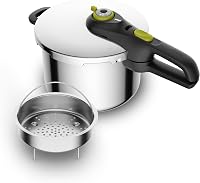
Are Multi-Cookers Worth It?
Yes, multi-cookers are worth it for most kitchens because one pot covers pressure cooking, slow cooking, rice, steaming and sautéing. They earn their counter space when you cook dry beans, stews or grains regularly and want weeknight meals faster than a slow cooker allows.
On this page (7 sections)
- What makes a multi-cooker worth the counter space?
- How does a multi-cooker actually work in a home kitchen?
- Which foods benefit most from a multi-cooker?
- Is a multi-cooker faster than a slow cooker?
- How much does one multi-cooker replace?
- What should you know before buying a multi-cooker?
- How do you decide if a multi-cooker is worth it for you?
Yes, multi cookers are worth it for most kitchens because one pot covers pressure cooking, slow cooking, rice, steaming and sautéing. They earn their counter space when you cook dry beans, stews or grains regularly and want weeknight meals faster than a slow cooker allows.
The value question has a simple test. Count how many separate appliances a multi-cooker would replace in your kitchen.
If the answer is two or more, the math usually works in its favor. If you own a slow cooker you love and rarely cook beans or rice, the extra pot may just sit in a cupboard.
What makes a multi-cooker worth the counter space?
A multi-cooker is worth it when it replaces at least two appliances you already use. The strongest case is pressure cooking plus slow cooking in one pot, because those two methods cover very different meals.
Think about your weekly cooking. A pot that can pressure cook dry beans in under an hour, then switch to slow cooking for an all-day chili, does the work of two machines.
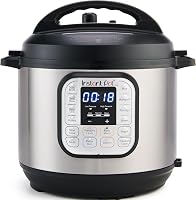
Add rice, steaming and sautéing and the case gets stronger. The Instant Pot Duo covers 7 functions in one appliance, including pressure cook, slow cook, sauté, steam, rice and yogurt.
The trade-off is real too. A 6 quart multi-cooker takes up about a square foot of counter space and weighs 10 to 15 lb.
If your kitchen is tiny and you already own a rice cooker, measure the cabinet space before you commit.
How does a multi-cooker actually work in a home kitchen?
It seals food in a pot and raises the internal pressure, which pushes the boiling point above normal and cooks food faster. A heating element warms the pot, the lid locks, and steam builds until the cooker reaches its set pressure.
That trapped steam is why beans and tough meat soften quickly. A slow cooker simmering at normal boiling point needs hours to break down the same fibers.
Under pressure, the heat reaches higher temperatures and the job finishes sooner. Instant Pot says its Duo cooks up to 70% faster than slow cooking methods.
If you want the full picture of what these pots can do, read what a multi cooker is and what it can do. It walks through the functions, the lid and valve setup, and the difference between electric and stovetop versions.
Which foods benefit most from a multi-cooker?
Beans, grains, stews and tough cuts gain the most. These foods reward the higher heat and sealed moisture that pressure cooking delivers.
Quick-cooking foods like pasta or delicate vegetables gain little and can overcook.
Dry beans are the classic case. Soaked or not, they cook in a fraction of the stovetop time.
Broth made from bones comes out richer because the sealed pot keeps the steam in. Cheaper cuts like chuck roast turn tender in about an hour instead of an afternoon.
Rice and grains come out consistent because the pot controls the time and release. Steaming vegetables works too, though it's no faster than a stovetop steamer.
Sautéing is a prep step more than a cooking method, useful for browning meat or onions before you pressure cook.
Slow cooking is still there, and some people use it for hands-off meals. The honest answer is that a multi-cooker's slow cook setting rarely matches a dedicated slow cooker for all-day braises.
It works, but the pressure mode is the reason to buy.
Is a multi-cooker faster than a slow cooker?
For most dishes, yes, often much faster. A beef stew that takes 6 to 8 hours in a slow cooker can pressure cook in about an hour, including the time to come up to pressure and release.
Beans drop from hours to under an hour.
The speed claim comes from the makers. Instant Pot says its Duo cooks up to 70% faster compared to slow cooking methods, and the Pro makes the same claim plus a 20% faster preheat.
Those numbers compare active cooking time, not the full process, so plan for the extra minutes for pressure to build and release.
Quick dishes show less gain. A pot of rice still takes 12 to 15 minutes plus warm-up.
A soup made from canned ingredients is fast either way. The real time savings land on dried beans, bone broth, roasts and large batches.
How much does one multi-cooker replace?
A 6 quart multi-cooker can replace a slow cooker, a rice cooker, a steamer and, in some cases, a yogurt maker. That is the pitch, and for the listed functions it mostly holds up.
The Instant Pot Duo covers pressure cook, slow cook, sauté, steam, rice, yogurt and keep warm, which is 7 functions in one pot. The Instant Pot Pro goes further with 10 functions, adding sous vide, sterilize and bake to the same list.
The CHEF iQ counts 10 cooking functions too and pairs them with a WiFi app.
What it doesn't replace well is an oven or a stovetop for everyday cooking. It also can't match a dedicated air fryer for crisp food unless you buy a model with an air fry lid.
Count the appliances you'd actually retire, not the functions on the box.
What should you know before buying a multi-cooker?
Learn the liquid rules and the release methods first. Pressure cookers need a minimum amount of liquid to build steam, and too little can leave food undercooked or set off a burn warning.
Every recipe states a liquid amount for a reason. Follow it the first few times, then adjust to your taste.
The release method matters too. Quick release stops cooking fast and suits vegetables and grains.
Natural release lets the pressure fall on its own and suits meat and beans that benefit from extra time.
Modern electric models lock the lid until the pressure drops and release steam with a switch or button. The Instant Pot Duo uses an easy-release steam switch, and the Pro uses a gentle steam switch with a diffusing cover to quiet the burst of steam.
If you're comparing brands, our look at the Kuhn Rikon pressure cooker covers stovetop models for people who prefer a manual pot. For electric alternatives, the T-fal pressure cooker guide compares its models and their features.
Which multi-cooker is the best pick for most kitchens?
The Instant Pot Duo 6 Qt is the safest first buy because it covers the core functions at the lowest learning cost. Seven functions and 13 one-touch programs handle soups, rice, yogurt and beans without an app.
Its stainless steel inner pot has a tri-ply bottom, so you can sear and sauté directly in it before pressure cooking. The 6 quart size is 5.68 liters.
Our score weighs specs, features and buyer feedback against what you're shopping for. Read our full comparison of the Instant Pot Duo 6 Qt in context if you want the bigger picture.
Which multi-cooker suits app users?
The CHEF iQ Smart Pressure Cooker fits cooks who want guided recipes and hands-off steam release. It connects to a free app over WiFi and Bluetooth for step-by-step cooking.
A built-in scale weighs ingredients and tells you how much liquid to add, so you skip measuring cups. Its auto pressure release handles steam at the end of cooking with three methods: quick, pulse and natural.
It's also lighter than the others at 10.4 lb.
Which multi-cooker is best for experienced cooks?
The Instant Pot Pro 6 Qt suits cooks who want more functions and a quieter release. It lists 10 functions and 28 one-touch programs, adding sous vide and bake to the usual set.
The dishwasher-safe lid and inner pot simplify cleanup, and the package includes an extra sealing ring and a steamer rack. At 6 kg (~13.2 lb), it's lighter than the Duo at 14.6 lb.
If sous vide and bake matter to you, this is the one to choose.
How do you decide if a multi-cooker is worth it for you?
Buy one if you cook beans, grains or stews at least twice a week and want to retire two or more appliances. Skip it if you mainly reheat food or already own a slow cooker and rice cooker you use happily.
The honest test is a week of meals. Look at how often you'd have used pressure cooking or steaming.
If the answer is most days, a multi-cooker will pay for itself in time and counter space. If it's once a month, a stovetop pot and a cheap rice cooker cost less and take less room.
For the app crowd, the CHEF iQ adds guided cooking and a scale. For experienced cooks who want sous vide and bake, the Pro is the fit.
For everyone else, the Duo covers the basics with the fewest buttons.
If you're still weighing a multi-cooker against a stovetop model, our guide to how to use a Ninja multi cooker shows what the day-to-day routine looks like on a comparable electric pot. That helps you judge whether the are multi cookers worth it question applies to your own kitchen.
Frequently asked questions
Are multi cookers worth it compared to a slow cooker?
For many households, yes. A multi-cooker does slow cooking plus pressure cooking, rice, steaming and sautéing, while a slow cooker does one job.
If you rely on all-day braises and set-and-forget meals, a standalone slow cooker still earns its spot.
Do multi cookers really save time?
They can on the right dishes. Instant Pot says its Duo cooks up to 70% faster than slow cooking methods, and the Pro makes the same claim.
Beans, stews and tough cuts gain the most, while quick vegetables and pasta gain little.
Is a 6 quart multi cooker big enough for a family?
A 6 quart pot suits most families of up to 6 people. It holds a whole chicken or a big batch of chili, and Instant Pot describes the Pro's 6 quart size as enough for up to 6 servings, which fits meal prep and batch cooking.
What can you cook in a multi cooker that a slow cooker cannot?
Pressure cooking is the main extra. You can cook dry beans from scratch, make broth from bones and tenderize tough cuts in a fraction of the time.
You also get rice, steaming and sautéing in the same pot.
Are multi cookers hard to learn?
The basic pressure cook, sauté and steam settings are simple, but the manual matters for liquid amounts and release methods. One guided model, the CHEF iQ, sends step-by-step recipes from its app to the cooker, which shortens the learning curve.
Do multi cookers use much electricity?
They draw a lot of power while heating, but pressure cooking runs for a short time. The Instant Pot Pro is rated at 1200 watts, so a 30 minute pressure cook uses less energy than hours of slow cooking or oven time.