How to Cook Pasta in a Pressure Cooker
Cook pasta in a pressure cooker with about 3 cups of water per 8 oz of pasta, 4 to 6 minutes at high pressure, and a quick release. The pasta absorbs the water instead of swimming in it, so you get firm, separate strands without watching a pot.
On this page (10 sections)
- How much water do you need for pasta in a pressure cooker?
- Which pasta shapes work best under pressure?
- What pressure and time should you set?
- How do you cook it step by step?
- Do you need a steamer basket or a special insert?
- How do you keep pasta from clumping or scorching?
- How do you stop the pasta at al dente?
- How do you cook pasta and sauce in one pot?
- Does the cooker's condition affect pasta results?
- The rule to remember
Here's the short version of how to cook pasta in a pressure cooker: use about 3 cups of water for every 8 oz of dry pasta, cook at high pressure for 4 to 6 minutes, and release the pressure right away. The pasta soaks up the water and finishes firm, and you never stand over a rolling boil.
The method is a little different from a stove pot. Water goes in first, then pasta and salt, and the lid goes on.
That's it.
How much water do you need for pasta in a pressure cooker?
Use about 3 cups of water per 8 oz of dry pasta for short shapes, and up to 4 cups for long noodles. Pasta needs enough liquid to absorb and to build steam, but not so much that it turns to porridge.
A pressure cooker traps steam, so almost none of the water boils off the way it does on a stove. That's why the ratio is lower than the "big pot of salted water" you're used to.
Salt the water, not the pasta. About 1 teaspoon per 8 oz is a good starting point, and you can add more at the end once you taste it.
If you're cooking a full pound, scale up: about 6 cups of water in a 6-quart cooker leaves room for the pasta to swell.
Which pasta shapes work best under pressure?
Short shapes work best: penne, rigatoni, fusilli, macaroni, rotini and shells. They hold their shape and cook evenly, and they don't clump the way long strands can.
Long noodles like spaghetti and linguine also work, but break them in half so they fit under the lid. Lay them in a loose fan rather than a tight bundle, and stir once before closing.
Avoid very thin pasta such as angel hair and the smallest soup pastas. They go from firm to mushy in under a minute of pressure time, which leaves no room for error.
Whole wheat and gluten-free pasta need a little more time. Start at the top of the range and check a piece.
What pressure and time should you set?
High pressure, 4 to 6 minutes, with a quick release covers most dry pasta. Electric cookers use the high pressure setting; stovetop models come up to pressure and then you start the clock.
Here's a simple timing guide for 8 oz of dry pasta:
- Penne, rigatoni, ziti: 5 to 6 minutes
- Fusilli, rotini, farfalle: 4 to 5 minutes
- Macaroni, shells, small shapes: 4 minutes
- Spaghetti, broken in half: 5 to 6 minutes
- Whole wheat or gluten-free: 6 to 7 minutes
These times assume you release the pressure as soon as the timer ends. A natural release keeps cooking the pasta, so save that for sauces.
If your cooker tends to run hot, start one minute under and add time in 30-second bursts.
How do you cook it step by step?
Here's the order that keeps pasta from sticking:
- Pour the water into the inner pot and stir in the salt.
- Add the dry pasta and push it down so it's mostly under the water.
- Stir once, scraping the bottom so nothing sits against the heating element.
- Lock the lid and set the valve to sealing.
- Cook on high pressure for 4 to 6 minutes.
- Quick release the pressure, then open the lid away from your face.
- Stir, drain if you want, and toss with sauce right away.
The stir before cooking matters more than any gadget. It separates the pieces so they don't fuse into one block.
Don't fill the pot past its maximum fill line. Pasta foams, and starchy foam can clog the valve, so leave a couple of inches at the top.
Do you need a steamer basket or a special insert?
No. You can cook pasta straight in the pot with the water, and most people do.
The pasta absorbs the liquid and the result is close to a risotto method: starchy, saucy, and ready to toss.
A steamer basket or trivet helps when you want the pasta to stay separate from the cooking water. Put the pasta in a pan or basket above the water, and it steams instead of soaking.
Some cooks prefer this for long noodles, because the strands stay intact and you can lift them out whole. It also leaves you a pot of clean, starchy water if you want it for the sauce.
The trade-off is timing. Steamed pasta can cook unevenly if the pieces overlap, so spread them out.
Is an inner pot worth it for pasta?
A second inner pot helps if pasta shows up on your table more than once a week. It lets you swap between pasta and a sauce base without washing the same pot between steps.
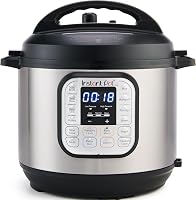
The Instant Pot inner pot holds 6 quarts and fits the Pro 60, Pro Plus, Pro Max and Duo Evo Plus 60. It's food-grade 304 stainless steel with no coating, and the polished surface is dishwasher safe.
The flat base spreads heat evenly, which matters when you sauté onions or brown meat before adding the pasta. Those handles are the practical part, since a full pot of hot pasta is heavy to lift.
How do you keep pasta from clumping or scorching?
Stir once before the lid goes on and once right after the pressure drops. That pair of stirs does more than any oil or gadget.
Skip the oil. It coats the pasta and keeps sauce from sticking later, and it doesn't stop clumping once the pot is sealed anyway.
Water is what keeps the bottom safe. If the pasta sits dry against the heating element, it scorches and you'll smell it at release.
Keep the liquid at least an inch above the pasta at the start.
Never fill the pot to the brim. Starchy foam needs headroom, and the max fill line is there for a reason.
If you taste scorching, don't stir it into the pasta, move the top layer to a serving bowl and leave the stuck layer to soak.
How do you stop the pasta at al dente?
Quick release the pressure as soon as the timer ends, then open the lid and stir. The pasta stops cooking the moment the steam is out, and you get firm centers.
If you want it softer, close the lid and let it sit in the hot water for a minute without pressure. That's gentler than adding pressure time.
Taste a piece before you drain. The last 30 seconds under pressure can make the difference between al dente and soft.
For a pasta salad or a bake that goes in the oven, pull it early, since it finishes cooking in the sauce or the heat of the bake.
How do you cook pasta and sauce in one pot?
One-pot pasta is the real payoff of this method. Put the dry pasta, water or broth, tomatoes, garlic, and herbs in the pot, and cook on high pressure for 5 to 6 minutes.
Use a little more liquid than the plain water ratio, since the sauce ingredients soak some up. About 3½ cups per 8 oz of pasta is a safe start.
Quick release, stir, and finish with olive oil, cheese, or a handful of fresh basil. The starch thickens the sauce without any flour or cream.
Tomato-heavy sauces can scorch in an electric cooker, so keep the water generous and don't reduce the liquid to save time.
Does the cooker's condition affect pasta results?
Yes. A worn sealing ring lets steam escape, so the pot takes longer to come to pressure and the pasta can cook unevenly.
That's usually why timing drifts from one batch to the next.
Check the ring for cracks, hardening, or a loose fit in the lid groove. Presto's sealing ring forms a pressure-tight seal between the cover and the body, and the pack includes an overpressure plug.
It replaces Presto parts 09904 and 50295, and it fits a long list of Presto 4- and 6-quart models.
Work the new ring into the groove in four small sections, then open and close the lid a few times to seat it.
For Fissler owners, the silicone gasket fits Vitavit Comfort, Premium and Edition cookers and Vitaquick models with an 8.7-inch diameter. Fissler says to replace the gasket every two to three years as a wearing part.
Match the article number to the one inside your old gasket before ordering. New to the appliance?
Our guide to how a pressure cooker works explains the valve and seal in plain terms, and how to use a pressure cooker step by step covers the first cook.
The rule to remember
Learning how to cook pasta in pressure cooker style comes down to three numbers: 3 cups of water per 8 oz, high pressure, and 4 to 6 minutes with a quick release. Stir before the lid and after the release, and stop the pasta the moment the steam is gone.
If your batches swing between mushy and crunchy, replace the sealing ring before you change anything else.
Cooking for a crowd? Batch the pasta in two rounds rather than filling the pot above the max line, and keep the first batch warm with a little sauce.
When you're ready to pick a cooker for this kind of everyday cooking, our pressure cooker picks cover the sizes that fit a family pot of pasta. If eggs are next on the list, here's how to cook eggs in a pressure cooker.
Frequently asked questions
Can you cook pasta in a pressure cooker without a steamer basket?
Yes. Put the pasta, water and salt straight into the pot and cook on high pressure, then stir once it releases.
A basket only helps when you want to lift the pasta out and keep the starchy liquid for a sauce.
Why did my pressure cooker pasta turn out mushy?
Mushy pasta usually means too much water or too long under pressure. Use about 3 cups of water for 8 oz of pasta and start checking at the lower end of the time range; the pasta keeps softening while the steam vents.
Does pasta need oil in a pressure cooker?
No. Skip the oil.
Stir the pasta once before closing the lid and again right after the pressure drops, and the strands will separate without it.
Can you cook pasta and sauce together in a pressure cooker?
Yes, and it's a common one-pot method. Add the pasta, enough liquid to cover it, and the sauce ingredients, then pressure cook for the same 4 to 6 minutes.
Thick sauces with little liquid can scorch, so keep the water ratio generous.