Are Electric Pressure Cookers Any Good?
Yes. Electric pressure cookers are good for most home cooks. They cook beans, stews and tough cuts far faster than a stove pot, and they do it with less watching, though they cost more than a stovetop model and brown food less well.
On this page (9 sections)
- How does an electric pressure cooker actually work?
- Are electric pressure cookers any good at the jobs people buy them for?
- Where do electric pressure cookers fall short?
- How much faster is pressure cooking than normal cooking?
- Is an electric pressure cooker safe to use in a home kitchen?
- What should you check before buying one?
- How do electric and stovetop pressure cookers compare?
- Are electric pressure cookers any good for beginners and small kitchens?
- So, are electric pressure cookers any good?
Yes. Electric pressure cookers are good for most home cooks.
They cook beans, stews and tough cuts far faster than a stove pot, and they do it with less watching, though they cost more than a stovetop model and brown food less well.
The short version: if you want set-and-forget cooking on a countertop and a weekday dinner that's ready before you're too hungry to care, an electric model earns its space. If you want the deepest sear and don't mind tending a burner, a stovetop cooker still wins.
This guide explains how these appliances actually work so you can decide for yourself.
How does an electric pressure cooker actually work?
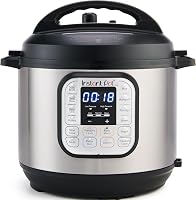
An electric pressure cooker is a sealed pot with its own heating element and a pressure sensor. It traps steam until the internal pressure reaches about 15 psi, which pushes the boiling point of water to roughly 250°F.
That hotter liquid is why food cooks so much faster than in an open pot.
The built-in controller does the fiddly part. It heats the pot, watches pressure, holds it steady for the set time, then releases steam when the cycle ends.
You choose a mode and a time; the machine handles the rest. That closed loop is the main difference from a stovetop cooker, where you adjust the burner and watch the jiggler yourself.
Our explainer on how does a pressure cooker work covers the physics in more detail.
Are electric pressure cookers any good at the jobs people buy them for?
They're very good at the long, wet cooking that fills most weeknight meals. Beans from dry cook in well under an hour instead of soaking overnight.
Stews, chili, pot roast and whole chicken come out tender because the sealed steam keeps everything moist.
Rice and grains are a strong suit too, since the pot holds a steady temperature without a boil-over. Steaming vegetables and eggs works well with a rack that keeps food above the water.
Sauté and slow cook settings add flexibility, though they're the weakest modes on most models. The Instant Pot Duo 6 Qt covers 7 functions and 13 one-touch programs, which is plenty for most kitchens.
Where do electric pressure cookers fall short?
They're not great at dry, high heat. The heating element sits under the inner pot and responds slowly, so meat browns less deeply than in a cast iron pan.
You can sauté first in the pot to build flavor, but it won't match a ripping-hot skillet.
They also take up counter space and cost more than a basic stovetop model. A 6-quart unit like the Instant Pot Duo weighs about 14.6 lb and stands roughly 12.5 inches tall, so measure your cabinet clearance.
And the lid lock means you can't peek or stir mid-cook, which takes getting used to.
How much faster is pressure cooking than normal cooking?
The maker says pressure cooking can be up to 70% faster than slow cooking. That's a fair headline for beans, braises and stocks, where hours on the stove shrink to under one.
A pot of dry black beans that would simmer for 90 minutes can be done in about 30 under pressure, plus time to come up to pressure.
The savings aren't as dramatic for quick foods. Pasta, delicate vegetables and anything you'd cook in 10 minutes on the stove gain little, since heating and depressurizing eat into the clock.
The real win is unattended time: you load the pot, press start and walk away. Our piece on how hot does a pressure cooker get explains why that heat is so efficient.
Is an electric pressure cooker safe to use in a home kitchen?
Yes. Safety comes from the hardware.
Modern models have a lid lock that won't open under pressure, overheat protection and a controlled steam release. The Instant Pot Pro 6 Qt adds an auto-sealing safety lid lock and an easy-grip inner pot handle as extra safeguards.
The main risk is user error, not the appliance. Don't overfill past the maximum line, keep the vent and valve clear, and let pressure drop before opening.
Hot steam from the release switch can burn, so keep your hand and face back. Once you've read the manual, the process is routine.
Our walkthrough on how to use a pressure cooker covers each step in order.
What should you check before buying one?
Check size first. A 6-quart pot suits most households and handles a whole chicken or a batch of chili.
Go smaller for one or two people and larger for batch cooking or a big family.
Then look at the controls. A dial-and-button panel like the Instant Pot Duo's touch controls is easy for beginners; a model with more programs adds flexibility but more menus to learn.
Check the inner pot material too: stainless steel sears well and lasts, while non-stick is easier to clean but scratches.
Finally, weigh the extras. A steamer rack with handles makes lifting a chicken or a cake pan far easier and safer.
The Sugaroom rack fits 6- and 8-quart pots and folds flat for storage.
Which electric pressure cooker is best for most people?
The Instant Pot Duo 6 Qt is the best pick for most kitchens. It has 7 functions, 13 one-touch programs, a stainless steel tri-ply inner pot and an easy-release steam switch.
That mix covers pressure cooking, rice, yogurt, steaming and sauté without a steep learning curve. For a buyer who wants one appliance to handle most meals, it's the safe, well-rounded choice.
Which electric pressure cooker is best for more programs and extras?
The Instant Pot Pro 6 Qt is the better fit if you want more modes and a few useful extras. It runs 10 functions and 28 one-touch programs, including sous vide and bake, and the maker says it preheats 20% faster.
It also ships with an extra sealing ring and a steamer rack. The dishwasher-safe lid and inner pot make cleanup easy.
Pick it if you'll use the extra programs; otherwise the Duo covers the basics for less complexity. To compare more options, see our roundup of the best pressure cookers.
How do electric and stovetop pressure cookers compare?
Electric models win on convenience. They plug in, set their own heat and release steam with a switch, so you don't hover over the stove.
They're also safer for beginners because the controller manages pressure for you.
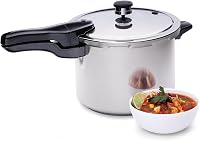
Stovetop models win on speed and browning. They heat faster, sear better and often reach higher pressure.
But you have to adjust the burner and watch the regulator, and they need a compatible stovetop. For most people who cook on a weekday schedule, the electric model's hands-off cycle is worth the trade.
Choose stovetop only if you already love a gas flame and want the deepest sear.
Are electric pressure cookers any good for beginners and small kitchens?
Yes, and they're often the easiest way to start pressure cooking. The preset programs remove the guesswork, and the locking lid means you can't open it too early.
A 6-quart pot covers soups, rice and one-pot meals for a family of four to six.
Counter space is the real limit. These cookers are wide and tall, so plan a permanent spot rather than hauling one out each time.
If space is tight, a 3-quart model suits singles and couples. For anyone nervous about pressure, the electric version's safety features and one-touch modes make it a gentle introduction.
So, are electric pressure cookers any good?
Yes. For beans, braises, rice and one-pot dinners, an electric pressure cooker is a genuinely useful appliance that saves time and attention.
Pick the Instant Pot Duo 6 Qt if you want the best all-rounder for most households. Pick the Instant Pot Pro 6 Qt if you'll use the extra programs and want the faster preheat and included accessories.
Skip them if you mostly grill, roast or sear and rarely cook wet dishes, since a stovetop pot already does that job. But if your week runs on stews, chili and grains, an electric cooker earns its counter space.
Start with the best pressure cooker shortlist, then read how to use a pressure cooker before your first batch.
Frequently asked questions
Is an electric pressure cooker the same as a slow cooker?
No. A slow cooker simmers for hours at normal pressure, while an electric pressure cooker seals steam to raise the boiling point.
Most models include a slow cook setting, but pressure cooking is the faster mode.
Do electric pressure cookers use a lot of electricity?
They draw a lot of power while heating, but they run for a short time. A 1200-watt model like the Instant Pot Pro heats quickly and then holds pressure on a lower cycle, so total energy use is usually modest for a meal.
Can you open an electric pressure cooker early?
Not safely. The lid lock stays engaged until pressure drops, and forcing it risks a steam burn.
Use the quick release switch for foods that shouldn't overcook, or let the pot cool naturally for meat and grains.
Are electric pressure cookers safe for beginners?
Yes. Sealed lids, locking mechanisms, overheat protection and pressure-release switches handle the risky steps.
Read the manual once, keep the vent clear, and never fill past the marked maximum line.
Can you brown meat in an electric pressure cooker?
On models with a sauté function, yes. Brown in batches first, then add liquid and pressure cook.
The non-stick or stainless inner pot heats well for searing, though it holds less heat than a heavy stovetop pan.